
The best friend of one of our Cape Eleuthera Institute Gap Year alumni wrote this great article about how a gap year changed her friend’s life. It’s definitely worth a read, especially if you are considering taking a gap year yourself! Read the article here.
Tag Archives: Cape Eleuthera Institute
CEI’s Anderson-Cabot Hall for Graduate Studies Opens to Create More Opportunities for Bahamians in Research
On Friday June 5th, Cape Eleuthera Institute (CEI) hosted a ribbon cutting on their newest building, Anderson-Cabot Hall for Graduate Studies. The grand opening was held during the SEA Change Youth Summit hosted by The Island School in partnership with 5Gyres and Jack Johnson. Government officials, staff, students, and school supporters gathered to celebrate with an official ribbon cutting ceremony which featured speakers involved in the building’s creation, as well as its future. Chris Maxey, co-founder of The Island School, began the event by celebrating the growth of the organization and introduced Aaron Shultz, Director of Cape Eleuthera Institute.
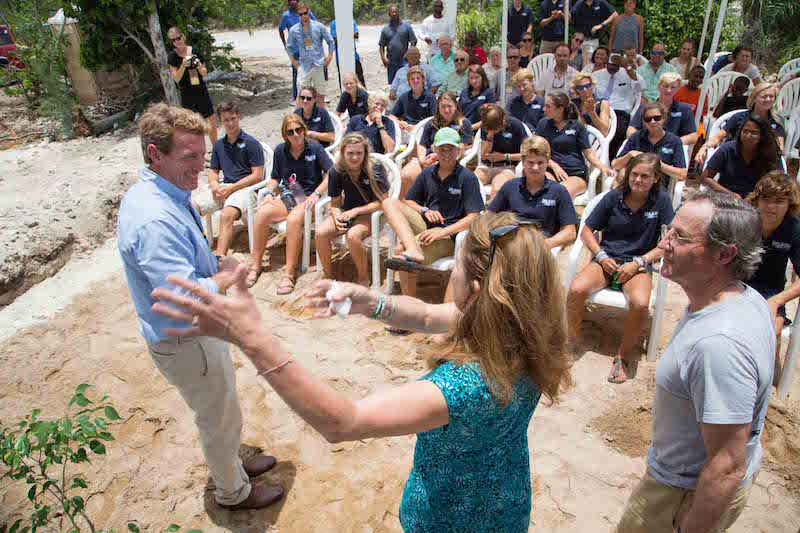
Shultz explained the importance of Anderson-Cabot Hall not only to CEI’s campus, but also to the island of Eleuthera and the greater Bahamas. “CEI is a major hub for research, education, and outreach. Our dorms serve over 1000 local and international students annually. Hallig House hosts professors, government officials, and short-course leaders. The missing link has been a place for graduate students and interns to live and work on campus. The Anderson-Cabot Hall will be the hub for the best and brightest local Bahamian and international graduate students in the Greater Caribbean Region.“
Shultz then introduced Alexio Brown, College of the Bahamas graduate, CEI Research Assistant and former BESS student at The Island School. Brown spoke about the opportunities that this building now opens up for Bahamian students like himself who aspire to pursue a career in the marine sciences. “Anderson-Cabot Halls allows me the opportunity to stay in The Bahamas and make a difference in the future of my country. There aren’t many places that offer this type of opportunity for young Bahamians in science like me.” As Shultz shared in his remarks, “Anderson-Cabot Hall is the first higher education facility built to support local and international graduate students in The Bahamas.”
In attendance was long-time supporter of the Cape Eleuthera Island School, John Dunagan, who dedicated the building to John “Giant” Norris Carey, builder and mentor. Ed Anderson and Linda Cabot, the primary financial contributors and for whom the building is named after, were present to cut the ribbon on the building and spoke to honor its opening.
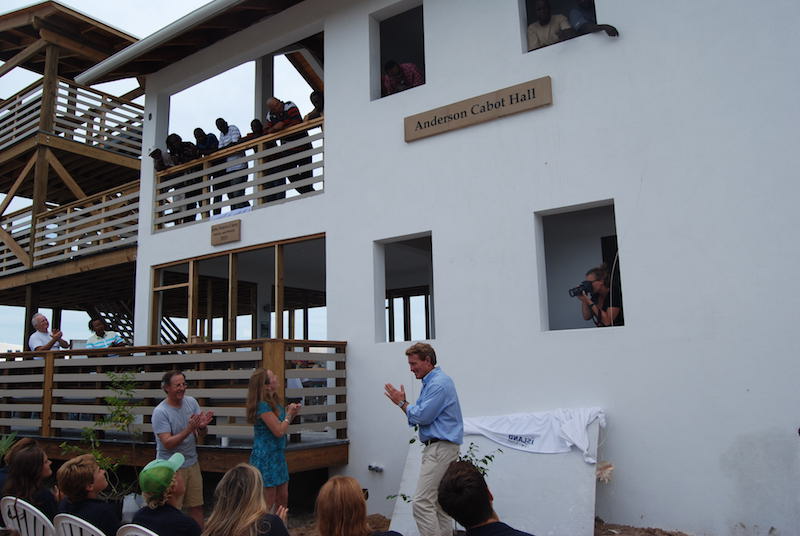
As two-time Island School parents, The Anderson-Cabots told the crowd their motivation for supporting CEI’s newest building project. “Both our daughters Gigi (S’11) and Noelle (S’13) attended The Island School and had transformative experiences, that have been the cornerstones of their education. They returned home from the Cape as empowered young women; aware, excited and skilled to make an impact in their worlds,” shared Cabot. This building as a priority for Ed Anderson and Linda Cabot so that the Cape Eleuthera Institute could expand to reach more graduate students and eventually become, as Ed Anderson said, “the Wood’s Hole of the Caribbean.”
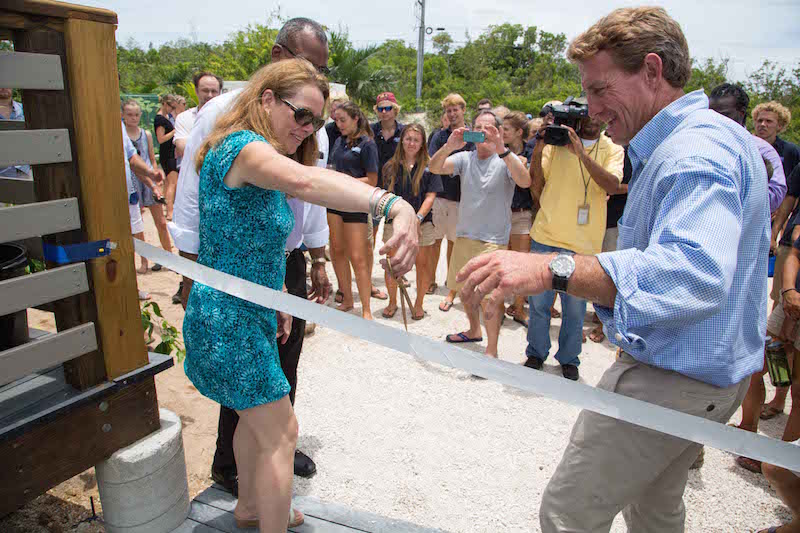
The opening concluded with remarks from Minister of Education, the Honorable Jermone Fizgerald and a luncheon honoring special guests, as well as the Carey Construction crew who built the Hall.
Cape Eleuthera Institute Stingray Research & Education
The Cape Eleuthera Institute‘s Shark Research and Conservation Program recently initiated a novel project that aims to assess the spatial ecology and genetic diversity of three species of stingray in the waters surrounding Southern Eleuthera. It is hoped this research will provide much needed information on how species critical for ecosystem function occupy and share space as well as exploit fragmented seascapes for migrations and dispersal corridors.
Check out this amazing video from our friends at Behind the Mask to learn more about the stingray project!
CEI’s Dr. Edd Brooks Featured in CNN Series
Island School Research Class Helps Assess the Local Reef Invertebrate Populations
Read about some of the amazing real-world work Island School students are doing in their research class taught by researchers at the Cape Eleuthera Institute!
CEI Supports Youth Environmental Leadership Summit
Recently, the Cape Eleuthera Institute supported the Bahamas Reef Environment Educational Foundation (BREEF) for their first ever BREEF Eco-Schools Youth Environmental Leadership Summit in Nassau. The Cape Eleuthera Island School is an important model for schools and businesses in the Bahamas on experiential education, sustainable development, and scientific research. Participation in this event gave the opportunity to share this knowledge with 70 students from eighteen schools in Abaco, Grand Bahama, Eleuthera and New Providence. CEI Environmental Educator and Outreach Coordinator, Tiffany Gray, was able to lead two sessions, one for primary students and another for secondary, focusing on team building, sharks and opportunities here in Cape Eleuthera. There was also a booth set up throughout the two day summit for more information on educational programs, summer camps, BESS, the Plastic Summit in June, and future employment opportunities.
A notable announcement during the welcoming remarks came from Minister Kenred Dorsett, Minister of the Environment. He explained that the newly amended Electricity Act now makes it legal for the public to connect their houses, schools, and businesses, to the grid for credit through alternative energy! We have been doing this for years on campus but the fact that it is now legal is a huge step in the right direction for energy use in the Bahamas.
The Preston H. Albury High School (PHAHS) Eco club, originally inspired by Kristal Ambrose, former plastic researcher and education coordinator at CSD, is working hard to become a green flag certified Eco School. Our continued support for this club gives DCMS alumni at PHAHS and former DCMS teacher, Will Simmons, much appreciated support in this endeavor.
The summit was a huge success for BREEF and our participation played a pivotal role in the event. We look forward to collaborating with BREEF, PHAHS, and future Eco Schools in Eleuthera for the next summit in 2017!
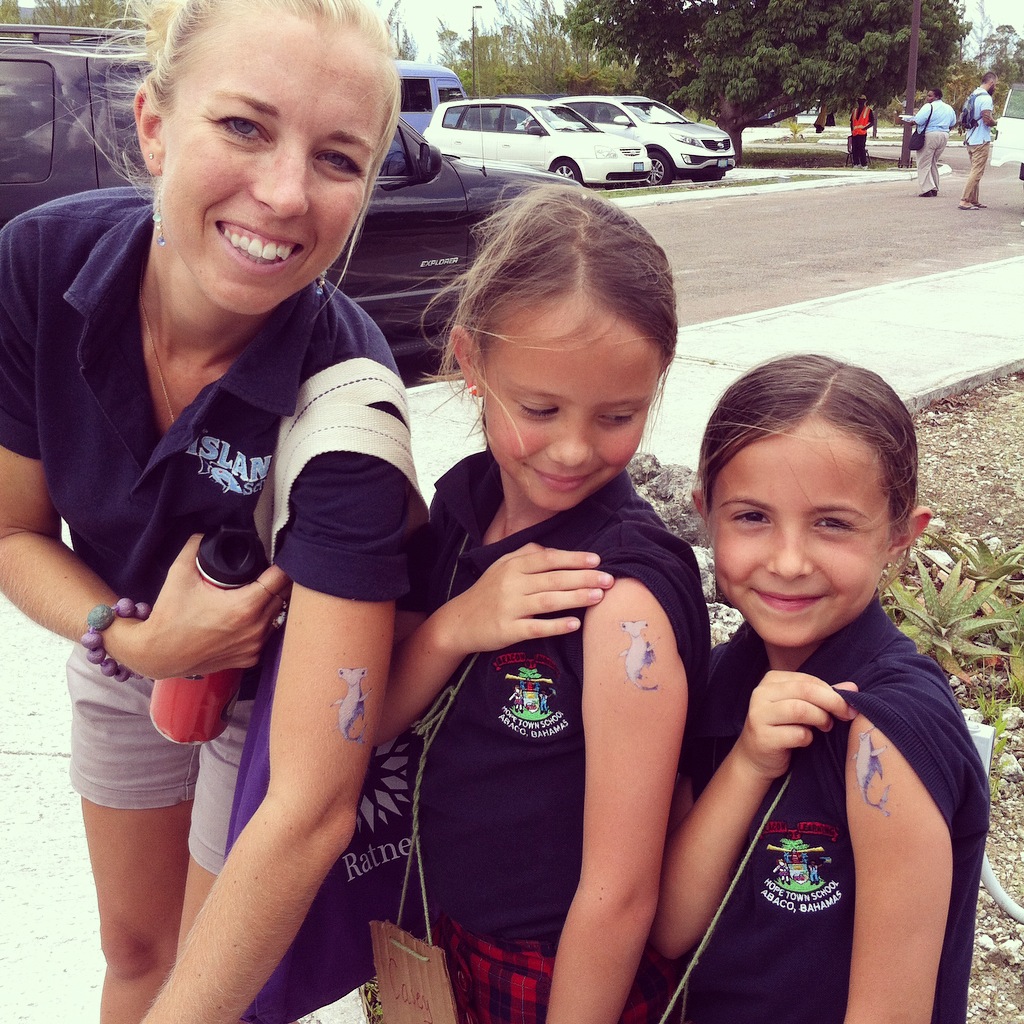
Deep Creek Primary Communal Garden
Deep Creek Primary School, with the assistance of The Cape Eleuthera Institute (CEI), has started a new initiative to build a school community garden with the aim to provide students with access to healthy meals and nutritional awareness.
The planning phase for this project began in October. Deep Creek Primary School teachers and CEI staff met to discuss the potential of a collaborative project that would not only be educational but also provide students with the opportunity to gain valuable practical skills.
A Parent Teacher Association meeting held in mid October ensured that all key-stakeholders were incorporated in the planning process and that there was sufficient backing to support the initiative. The meeting was a great success with demonstrated support from teachers, student’s parents and local community members. An assessment of the surrounding grounds was completed by the key-stakeholders and an area adjacent to the school was chosen for the location of the proposed garden.
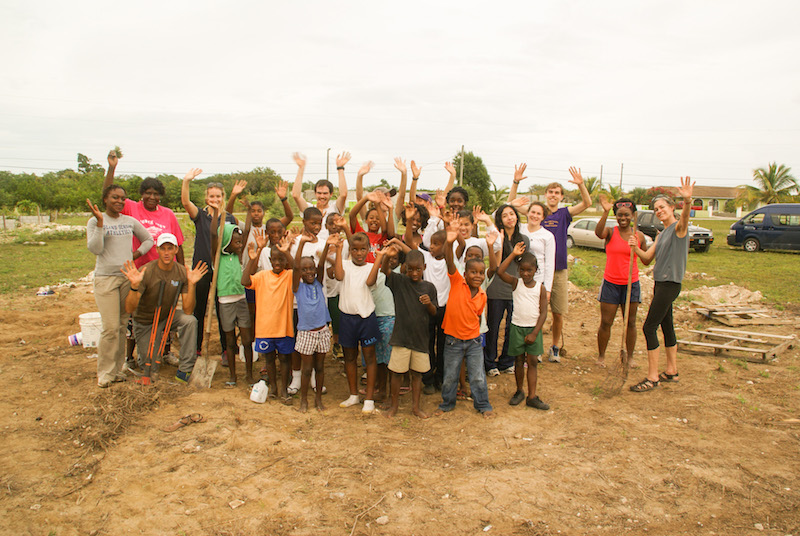
In early November the first gardening day was held with a great turn out; 21 community members and 8 CEI staff came together to start clearing the borders of the land so that grow-beds could be constructed. Weekly gardening days were arranged to continue land-clearing efforts and seedlings were planted in preparation for transplanting into the anticipated grow-beds. The great physical effort of clearing the land was alleviated in late November by The Cape Eleuthera Resort and Marina, who kindly helped support this initiative by donating the use of their back-hoe to assist with clearing the large area of land and digging holes for fruit trees. This support was an enormous help to further the project.
Each class will have their own grow-bed, which they will be responsible for the up-keep of, creating ownership and competition between classes. Maintenance of the garden and respective class grow-beds will be incorporated into student daily chores. The combination of ownership that students have over the garden and competition between classes will motivate students and hopefully ensure the success of the project! This endeavor will not only provide students with useful knowledge but also requires them to be responsible and accountable for a project, a great life skill to practice.
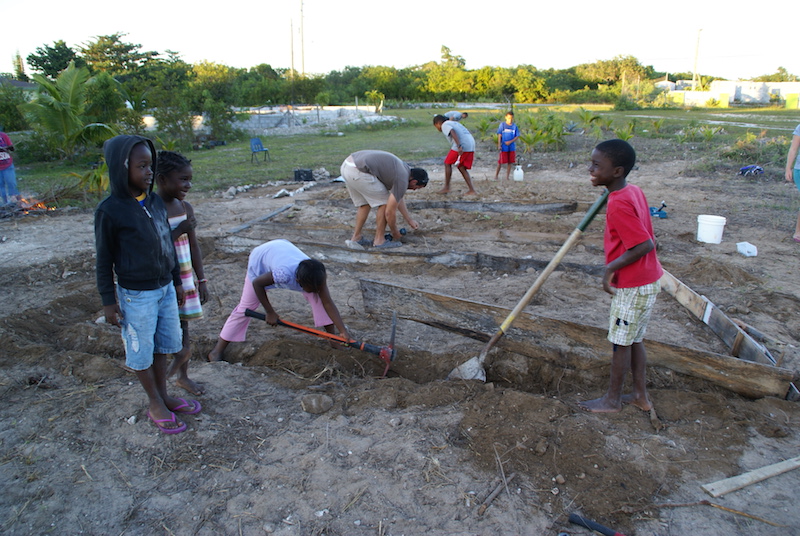
In early December, a couple of fruit trees were planted, 7 of the class grow-beds were constructed and the previously potted seedlings were transplanted to the garden. Future plans include planting many more fruits and vegetables in the garden so that healthy meals can be produced for students at the school, and increasing education and awareness amongst students about a balanced, nutritional, healthy diet.
Island School Students Invade CEI
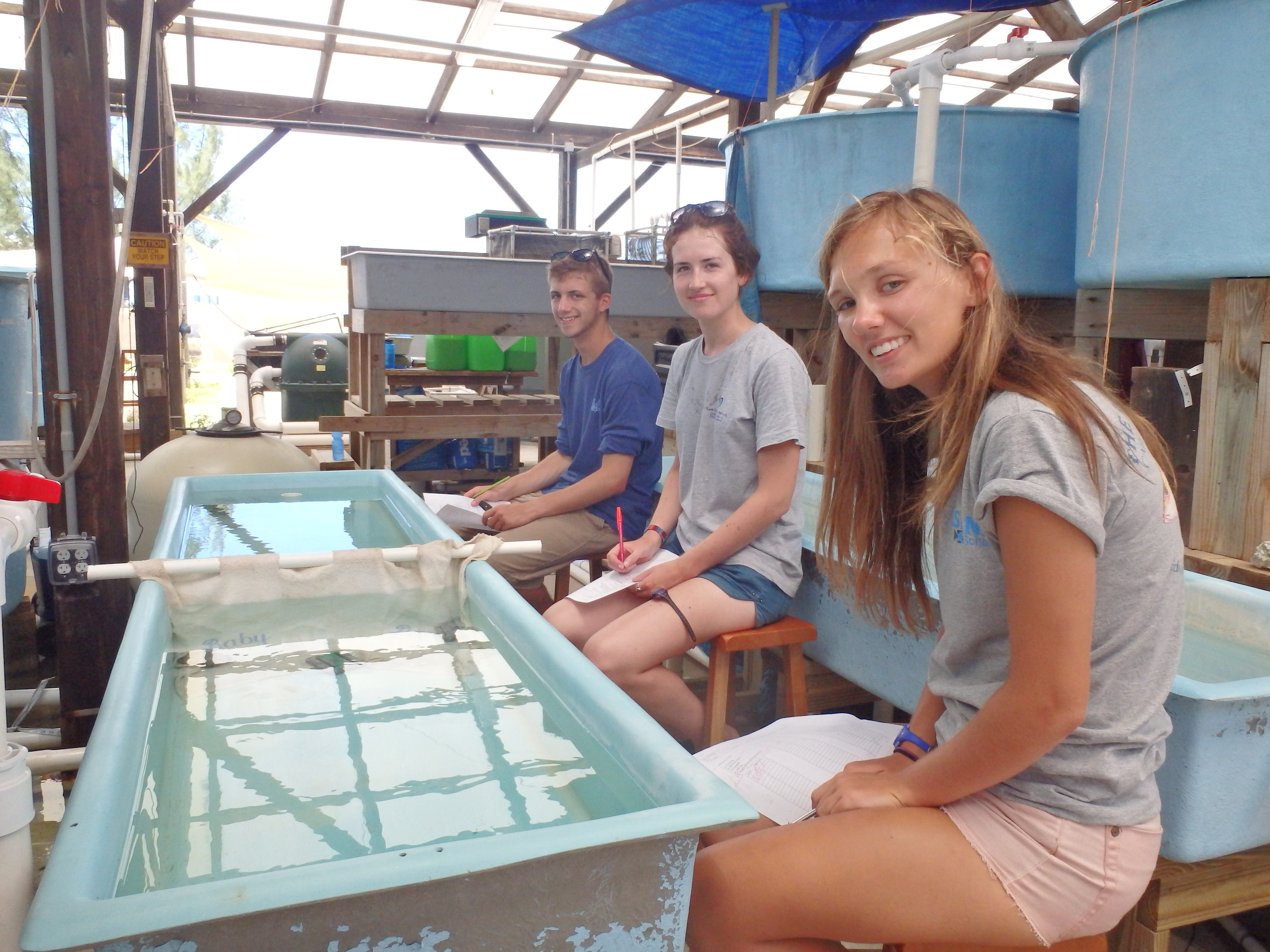
For the Island School summer term, six students had the opportunity to work with Dr. Jocelyn Curtis-Quick researching invasive lionfish. In one day, the students became professionals at cast netting, dissecting lionfish, conducting behavior observations, and data analysis. They dissected fourteen lionfish, with body fat ranging from% 0.58- %2.1 and the discovered of various prey items in the stomach including crabs, grunts, and blue headed wrasse. Shockingly, there were twelve fish in one stomach; proving the voracious eating habits of the lionfish. The students are now knowledgeable invasive lionfish researchers. Of course, the students love to eat lionfish and recommend everyone do their part to stop the invasion by eating them.

CEI Winter Newsletter
The Cape Eleuthera Institute Winter Newsletter went out earlier this week. Take a peek to see all the amazing things going on over at the institute! Also be sure to visit their blog to keep up with daily happenings.
SeaTrek’s Time at CEI
Cape Eleuthera Institute said goodbye this week to SeaTrek, a group of students aboard a sailing, scuba, and marine biology expedition. They kept a very detailed blog during their time at CEI–check it out here!