Category Archives: Uncategorized

Boston Tough Mudder

While students and faculty on Eleuthera were running the half marathon and swimming the Super Swim this past weekend, members of The Island School staff, alumni community, Cape Eleuthera Foundation (CEF) Board, and friends of The Island School participated in their own beast of an athletic event–a Tough Mudder. If you are not familiar with these popular events that are sweeping the nation, a Tough Mudder is a “hardcore 10-12 mile obstacle course designed by British Special Forces to test your all around strength, stamina, mental grit, and camaraderie” and raises money for the Wounded Warrior Project.

GOPR0130

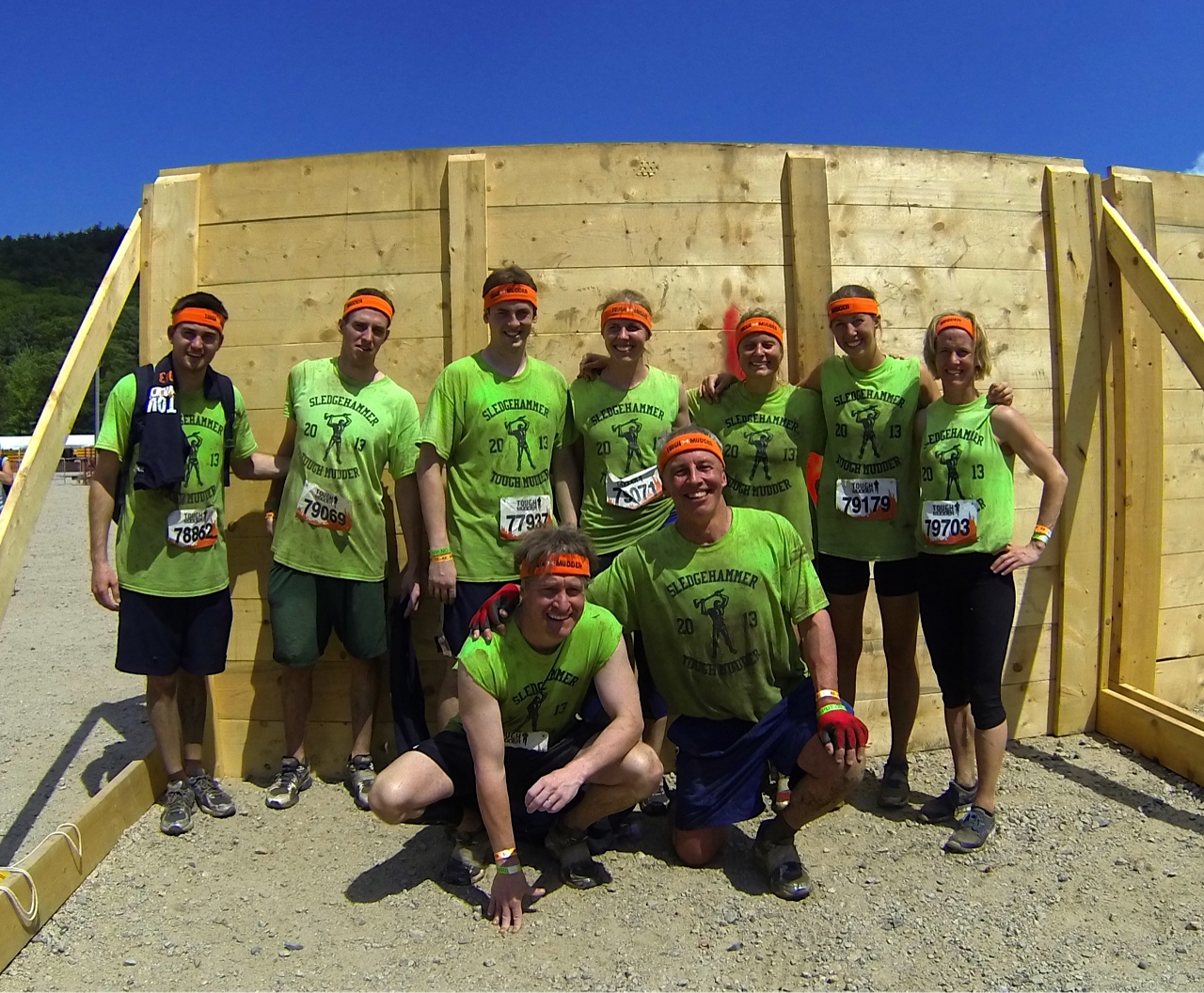
Led by fearless leader, Ernie Parizeau, IS parent (F’03, S’06, S’10, S’14) and CEF board member, Team Sledgehammer took to the Boston Tough Mudder course at Gustock Mountain Resort, NH on Sunday morning. Kate Parizeau (F’03), Doug Parizeau (S’06), Wes Mize (S’06), Will Parizeau, Sally Tyrie, Dan Foran, Mary Assini (S’00, Director of Development), and Cam Powel (F’04, Director of Alumni Relations) made up the rest of Team Sledgehammer.

Nearly 4 hours, 12 miles, and 20 obstacles later, Team Sledgehammer made it through their final obstacle, Electroshock Therapy consisting of a field of live wires carrying up to 10,000 volts of electric shock, and crossed the finish line with smiles on their faces and lots of mud on their bright green team t-shirts.

Congratulations, Team Sledgehammer!

Student Update June 3, 2013

Rounding the corner we hear loud cheer shouting, “Go run-track!” music fills the air and we are given water and Gatorade. Anna, Dale, and I down the water quickly and wave thank you to the amazing swimmers supporting us. Our legs ache but we continue on and encourage each other. Touching the flagpole is like touching gold. All of a sudden there is a massive group of people hugging us and congratulating us. We run as a pack back over the bridge and run in with the others still finishing. The half marathon was an incredible event, it was a day that had been once been intimidating but now it is a memory that we will look back on as inspiring.

Sunday. The swimmers stretch their arms and paint flags on their backs to get ready for the four-mile swim. Run track is ready on the water to support them with signs, food, and water. I stare off into the distance as the swimmers in white caps begin their long swim from Sunset Beach to Chub point. They are fast and do not take too long to reach the turn around point, many with smiles on their faces and full of adrenaline. The groups of two or three are strong and support one another. The two the lead the pack do not leave each other’s side. They make the swim look effortless. The finish line is an amazing sight as students stand on the beach and wait as the swimmers touch the boat so relieved to have finished. There is a celebration on the beach with lots of hugging and high-fives. After both events students were so tired, we had time to relax with others or have Querencia on our own. The weekend was so challenging but ultimately rewarding and unifying. All semester students and faculty have trained for these two events with anticipation and excitement and finally we have done it. I believe that these two events represent the close community and spirit of The Island School. They bring the community closer as people of all ages support one another in accomplishing difficult challenges. Many students have said that they believe that these events are a core part of their The Island School experience, and have set a strong tone for the last days here.

Traveling Without Using Plastic

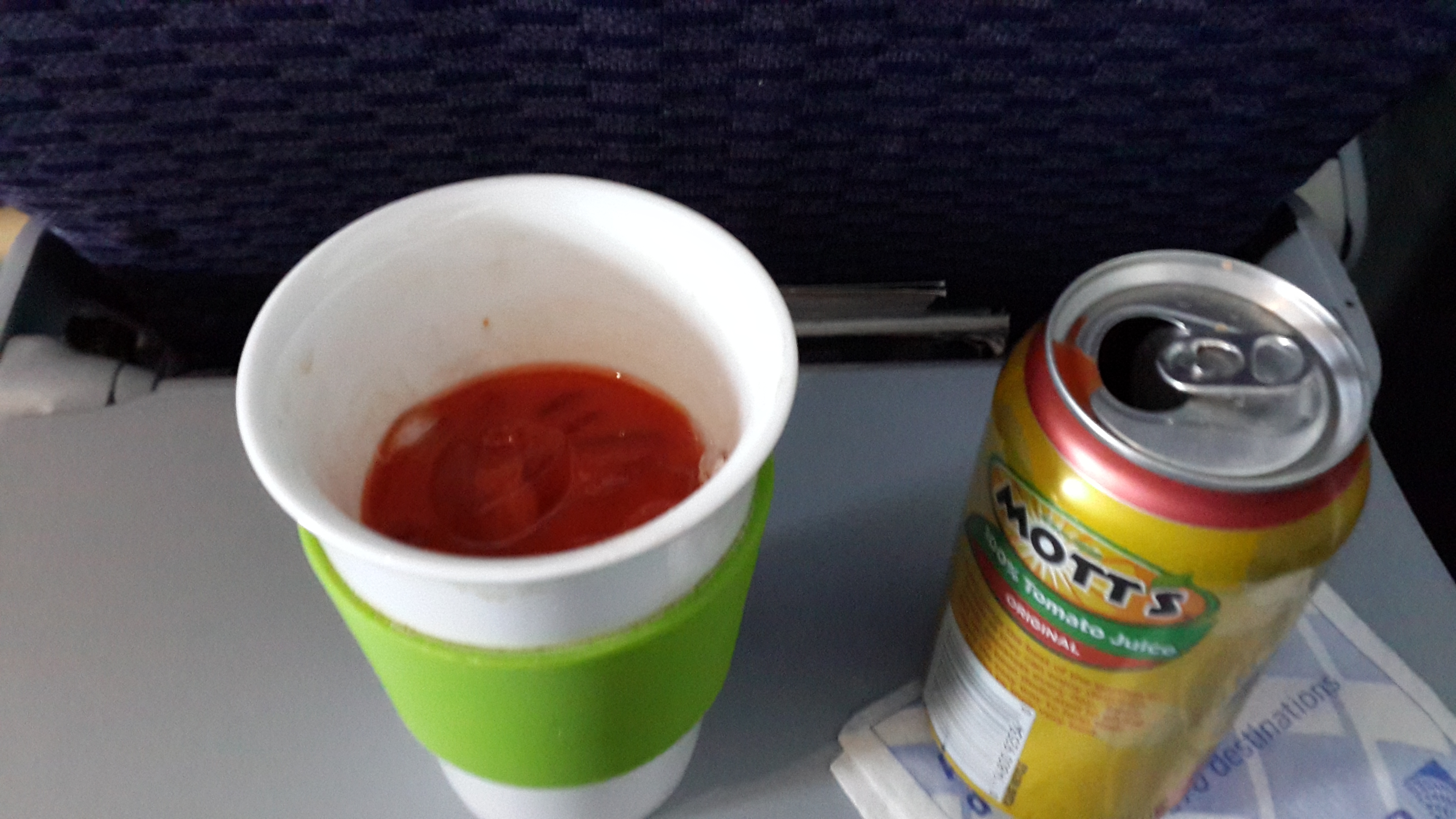
Last week, Chris Maxey challenged himself to try not to use plastic the whole time he traveled from The Island School to New Jersey. Based on this photo he took during one of his flights, it looks like he was doing a pretty good job! Keep this challenge in mind the next time you travel!

20130525_140534

GOPR7454

Outside the Box – A Reflection on Teaching at The Island School

by Brady Wheatley, Dean of Students and Histories Department Head

The boxes on the student schedule are deceiving. The schedule looks neat and ordinary, but most of what we do here can’t fit inside a box.

“7:30-8:00: Chores”: I sat down with this week’s Caciques, Megs, Michael M, Liz, Noelle, and Peter Kite, and heard their plans for the community this week. I realized that every week I am less and less necessary in the Cacique meetings. Students have taken charge in the best of ways and I am only a supporting member for their ideas. The biggest change is that the Caciques realize what they are capable of. They don’t hesitate to attend a faculty meeting and discuss community needs or organize an event at 6:30 am on what would be a day to sleep in.

9:15-12:15: Human Eco”: Noelle, Liz, Megs, Bailey and Sarah Taft told me excitedly that it was time to put the scallops we had caught under the off-shore aquaculture cage. Knowing wind was coming soon in the week we made the last minute decision to move quickly. We figured out the logistics and hopped in the boat, ready to see if we had solved one of the problems of a previous group’s project. Our group this semester chose to continue to work of previous students rather than start a new project from scratch, a slightly less enticing idea, but one that in my opinion has even more value. As students a year ago realized, scallops could potentially be farmed in The Bahamas in an effort to filter nutrients in aquaculture systems, and simultaneously provide an alternative shellfish for conch consumption. These five young women decided that following through on previous work could help kick start an even larger project in the region- now we just have to figure out if it will work.

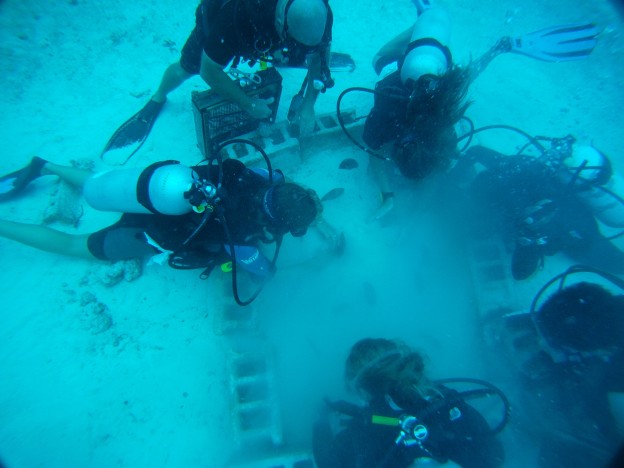
Bubbles surrounded us as we sank to the bottom of the ocean floor, almost 90 feet under water. Our group worked effortlessly to move the cement blocks back in place from the Scallop group a year ago. We carefully buried the black pen-shell scallops in the sand and watched the large grouper come close, curious of the new creatures in his home. I remembered all too well seeing this same grouper eat the Amber pen-shell scallops we tried to plant last year. As we resurfaced I hoped that these scallop shells, a different species suggested by the previous group, were strong enough to keep predators out.

2:45-4:15: Fisheries”: Marine Eco and Histories have teamed up for our last unit and we wrote the question “How should marine management decisions be made?” on the white board. Peter and I worked together with students to address the complex social and ecological elements of marine management and gave space for students to begin answering this question in writing for their next Eleutheros essay. I overheard one student say at her table, “this is so complicated! It’s like there isn’t just one answer.”

I love working at a school where students look at me confused and say “but this is really hard.” They are thinking deeply about some of the most important issues in conservation and international development. I love working at a school where students and faculty work together through challenging ideas that matter both inside and out of the classroom. I love working where Literature teachers and dive instructors will suddenly and unexpectedly drop everything that they are doing to come out and support students on a mission. Most of all I love working with students who know that they can change this word. I love working at this school.

Sustainable Parents Weekend

Dear Families,

With Parent’s Weekend coming up, we are so excited for you to join our Island School community!
As you probably know, one of the cornerstones of the Island School mission is sustainability. When you visit, you will have the opportunity to see how much we have all learned about reducing and reusing our waste and how as a campus we strive to be as sustainable as possible. And you can join us in this mission. For our Human Ecology final project, we are focusing on the problem of single-use plastic usage here on Eleuthera.

So, please, help support us while you’re here by reducing your plastic waste! Two little things will make a big difference down here:

1. Bring down a reusable bag to use instead of plastic bags for shopping on the island.
2. Bring your own reusable water bottle for re-filling on campus and/or a to-go drinking mug for using when you purchase beverages at local restaurants.

Thanks so much and looking forward to seeing everyone!

Madeleine, Sarah H, Charlotte, and Julia

Summer Employment Opportunity with Science under Sail

Science under Sail (SUS) pioneers innovative marine-scientific research with a unique modern mentorship program to empower a future generation of SEAFARERS by engaging small collaborative teams of students and experts under sail on expeditions worldwide. SUS has a summer employment opportunity that may be of interest to some of our alumni or Island School friends!

Science under Sail Expedition Coordinator –EXU2013
Position Description
The Science under Sail Expedition Coordinator will assist the expedition leaders and students
during a 2-week sailing and science education program. The Expedition Coordinator will play a
key role in student mentorship, logistical planning, risk management, and leadership education
while on board. Responsibilities may include: student orientation to the Bahamian environment
and on-board living arrangements, organizing group logistics for excursions and daily activities,
creating scenarios that facilitate team-building, teaching several classes on leadership, risk
management, and your area of expertise as it relates to the expedition experience, encouraging
good student morale, enforcing rules and responsibilities, monitoring well-being of students and
staff, and generally modeling ideal expedition behavior and fostering a positive environment.
The Expedition Coordinator may also be involved in research and outreach activities.

To see the entire job posting, click here: Science Under Sail Expedition Coordinator. Application deadline is May 30!

Human Ecology Intensives

During kayak rotations this term, students had the chance to do what we call an ‘Intensive’ for Human Ecology class. Students focused on one project to develop the viable solutions, skills, and knowledge that they need to take home with them. The three intensives included: Plastics and Marine Pollution, Aquaponics, and Sustainable Agriculture.

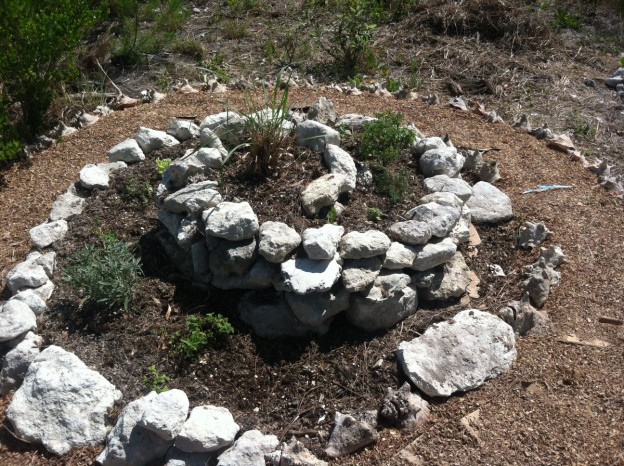
In Plastics, the students conducted beach plastic surveys to determine how much micro and macro plastic has washed up onshore different beaches of Eleuthera. The Aquaponics team learned more about the system located at CEI and built their own ‘backyard aquaponics’ model. The Sustainable Agriculture group worked on The Island School farm and designed their own grow bed and ‘herb spiral’. Check out a couple of the videos that the students created about their experience and the project they worked on!

http://www.youtube.com/watch?v=OVwtNMZq0x4

http://www.youtube.com/watch?v=1E5pRIcMSso

Former Island School Literature Fellow Continues to Use the Harkness Table

As all Island School alumni can attest, discussions around the Harkness table played a major role in their education during their semester. A former Island School Literature Teaching Fellow, Ellie Moore, currently teaches at the Alzar School, a semester program in Cascade, Idaho. She demonstrated the collaboration between Math and English for her students by designing, building, and then finally using their own Harkness table. Read more about their process on their blog.

photo (10)

Student Update May 9, 2013 (a little late!)

The screams and squeals that echoed around campus marked K3 ‘s return home last night. The reunion was sweet but short-lived, however, for they depart once again this morning for their Down Island Trips. K1 and K2 have been enjoying their academic week on campus. We finished up our Human Ecology Intensives yesterday, which were focused on Sustainable Farming, Aquaponics, or Plastics. Each group spent a total of 9 hours working in these groups, learning in depth about the topics. Sustainable Farming learned about permaculture and all the systems we have on our own farm that imitate natural ones. We spent a handful of hours constructing an herb spiral. We made an escalating rock wall spiral and layered compost, cardboard, straw, pig manure, dirt, and seaweed on top. We put rotting logs on the bottom of the layers because they act like sponges and retain a lot of moisture. The purpose of the lasagna-like soil is to help create rich soil that stays wet, therefore reducing the amount of water needed. The purpose of the spiral shape is to create microclimates. The elevation in the middle creates shade for the sides, and the elevation encourages drainage of water, making the bottom of the spiral a shadier, wetter microclimate, and the very top the sunniest. Each group made videos about their projects and prepared 15-minute presentations for our last class. We had a lot of fun learning from our peers and watching their creative videos. The aquaponics group twisted some comedy into theirs, and scored quite a few laughs from the room.

Otherwise, students here are continuing with morning exercise, with run and swim tracks doing routing workouts this morning. Our pole swim was especially tricky due to the current and the waves. Definitely swallowed a considerable amount of water. We had a long exercise two days ago, and everyone is getting excited, as the Super Swim looms closer and closer. We are praying for good conditions.

This week we also went on our night dives. This was probably one of my favorite nights at The Island School. Simply being out on the boats as the sun was setting, the water unusually glassy, was a ludicrously beautiful sight. Our group descended, equipped with dive lights, and we immediately saw what I am positive to be an 8-foot long loggerhead sea turtle. It was so big it almost looked prehistoric. Our group sat still watching it for a good while until we thought our lights were bothering it, and I was so excited that I was exclaiming to myself through my regulator and squeezing my dive buddy’s arm. There was a lot of other life to see down there that we explored during our dive, but that turtle was something I will never forget. I went to sleep that night smiling; so happy with the place I am living, the experiences I am having, and the people I get to share them with.