Category Archives: Uncategorized

Free diving fun!

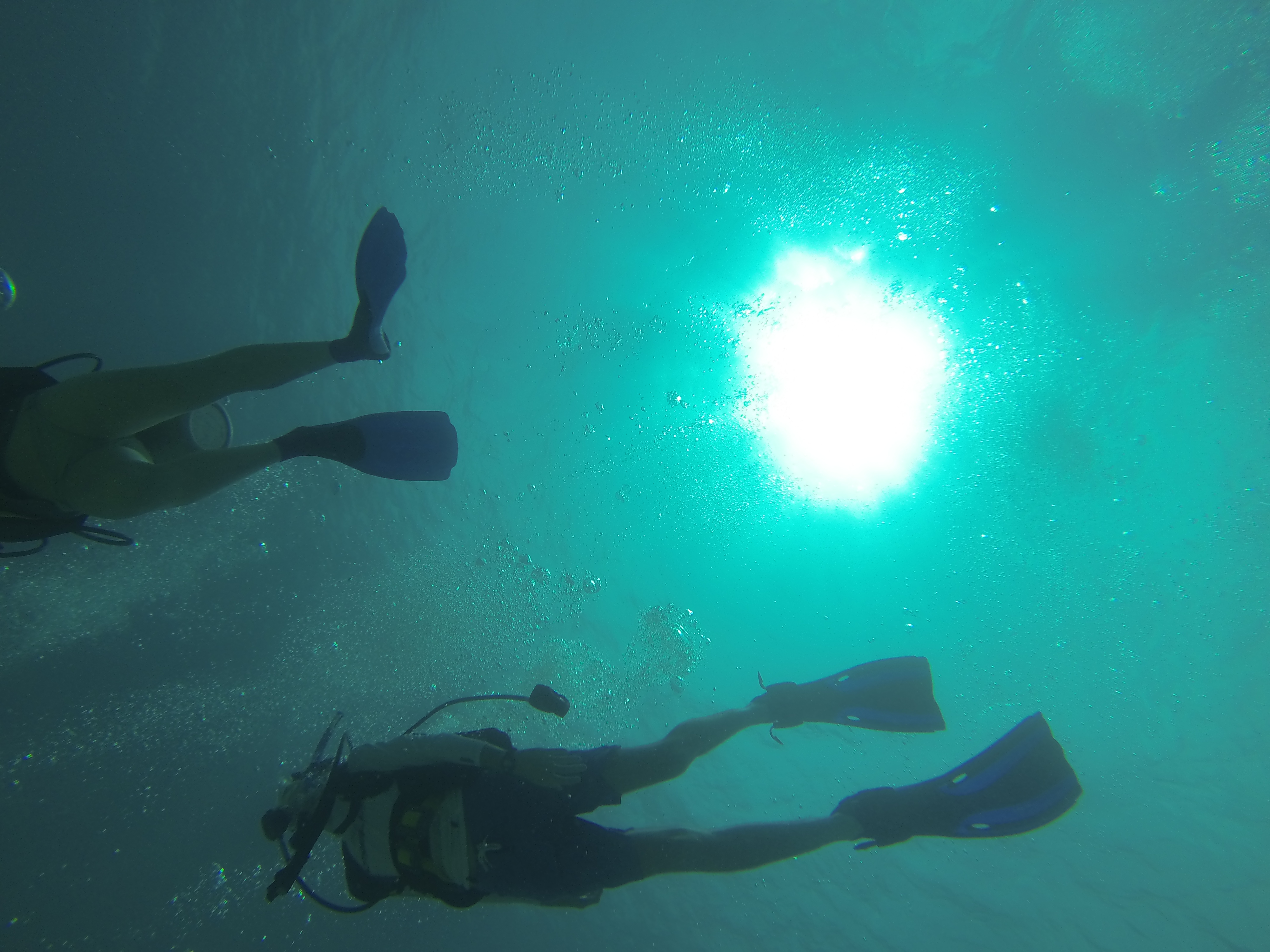
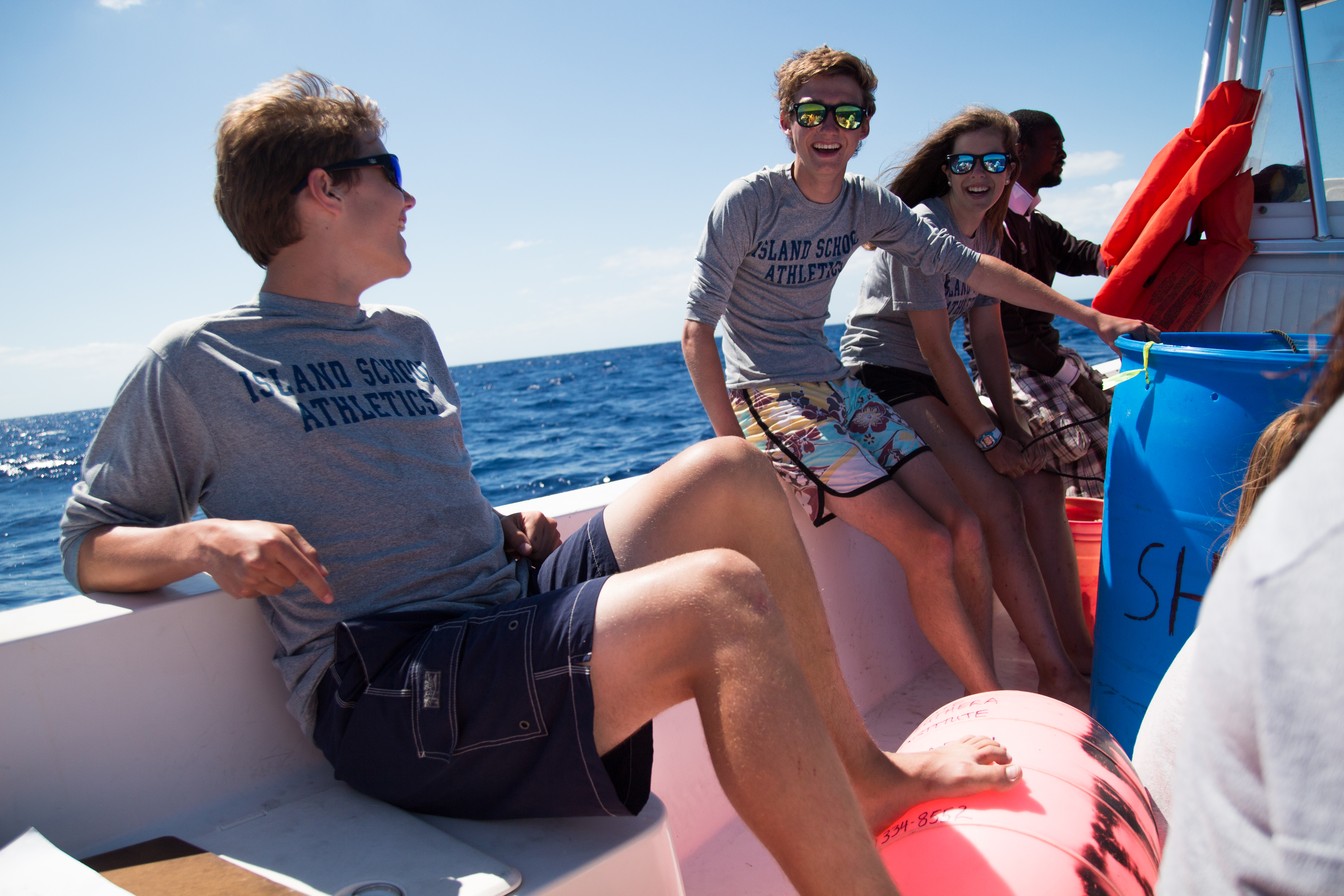
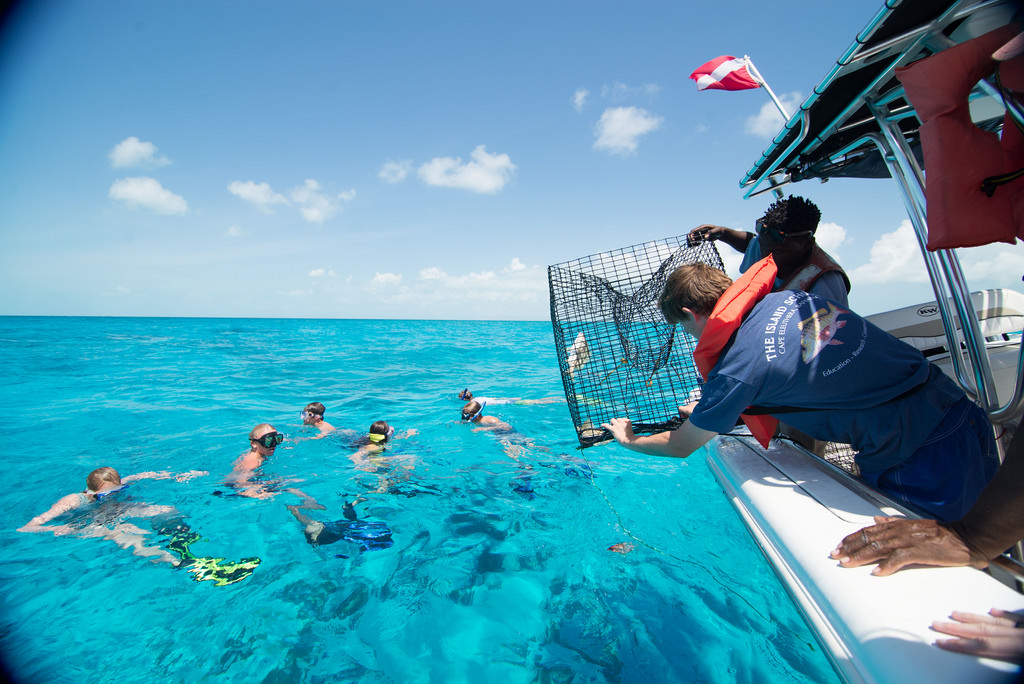
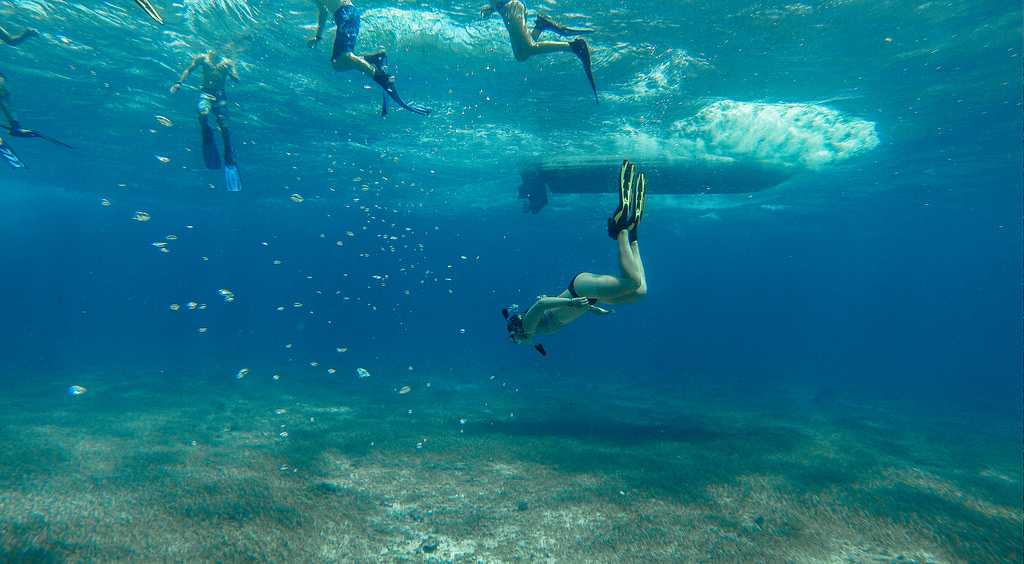
Splash! The water felt warm, as it does everyday, when we jumped off the boat at 6:30 this morning. A small group of us had chosen to embark on an early free dive trip to a site called Cathedral. We laughed and snorkeled in the calm water and some students even made it all the way to the fifty-foot bottom. Just above the ocean floor, we watched as our instructors swam with the fish through a forty-foot tunnel. This is the first of many more free dives that we hope to take in our time here. On the boat ride back, George, a researcher at Cape Eleuthera Institute, even taught those who wanted to learn how to drive the boat. Owen Finnegan helped guide us back into the school’s dock, all before 8:30 am.
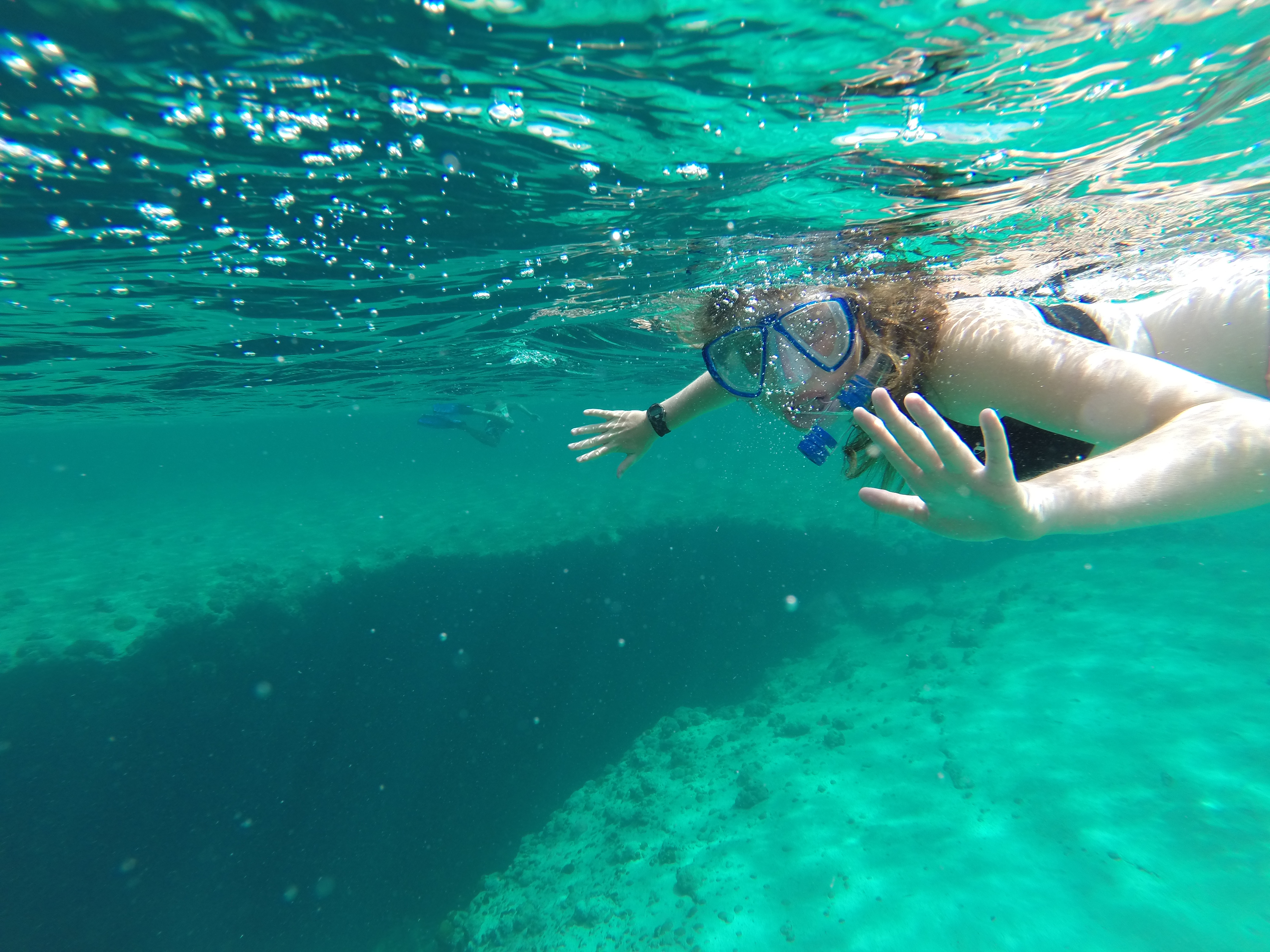
A student waves hello before she descends on a dive!

Walking back onto campus, the decks and our community circle seemed much quieter than usual. With this week’s commencement of the academic rotation, a third of our friends are on a four-day camping trip down the island of Eleuthera. We have missed them all so much, but they will be back tomorrow in time for dinner! In the meantime, we have been busy identifying fish, crustaceans and coral on the Marine Ecology dives. Not only have we learned how to put on all of our gear on a rocky boat, we have also taken a close look at how all parts of a coral reef work together and depend on one another. Those of us in the Food Systems group have been designing theoretical gardens around campus. In just a couple of days, these groups will rotate, and we will each take on a new topic of study.

As we approach the beginning of our third week here at the Island School, we are anxious to see all the new experiences that still await us. From searching for hours for the legendary Banyan Tree to our early morning runs, we are being challenged to stretch ourselves both physically and mentally. Tonight, we will check into our dorms exhausted but excited for the adventure that tomorrow holds.


Your Day Fourteen Caciques,

Allie and Cameron
Academic Rotations Begin!

Yesterday marked the first day of the academic rotation. Campus said au revoir to the Tourism and Development group as they embarked on their four-day trip down island, then again waved goodbye to the marine ecology students as they dipped into the water for their first experience with an underwater classroom. The food systems group took to the road to visit Apple Hole Farm in Rock Sound. Apple Hole is run by Edrin, a local Eleutheran, who has been successfully farming his land for the past twenty-nine years. His farm is 300-acres and is primarily geared towards raising livestock and growing citrus fruits. Edrin’s main farming practice is known as propagation, which is the process of attaching a bud from one plant on to the root of a previously grown plant. Before going to visit his livestock, Edrin showed us the propagation process by attaching the bud of an orange tree to the base root of a saw orange tree. Edrin supplies The Island School and Rock Sound Market with all sorts of meat and citrus fruits. On our way back to campus, just before lunch, we were lucky enough to taste some of the mangoes, oranges, and tangerines off of Edrin’s farm. We can both attest to the fact that his fruit is delicious!

After lunch, we went to visit another local farm that grows more vegetables and fruits, and utilizes an entirely different technique of farming known as slash and burn. Both farms that we visited employ practices of permaculture, a way of farming that encourages a sustainable ecosystem and benefits human ecosystems. Using practices of permaculture, both farms are able to successfully function in the harsh climate and difficult soil of South Eleuthera.

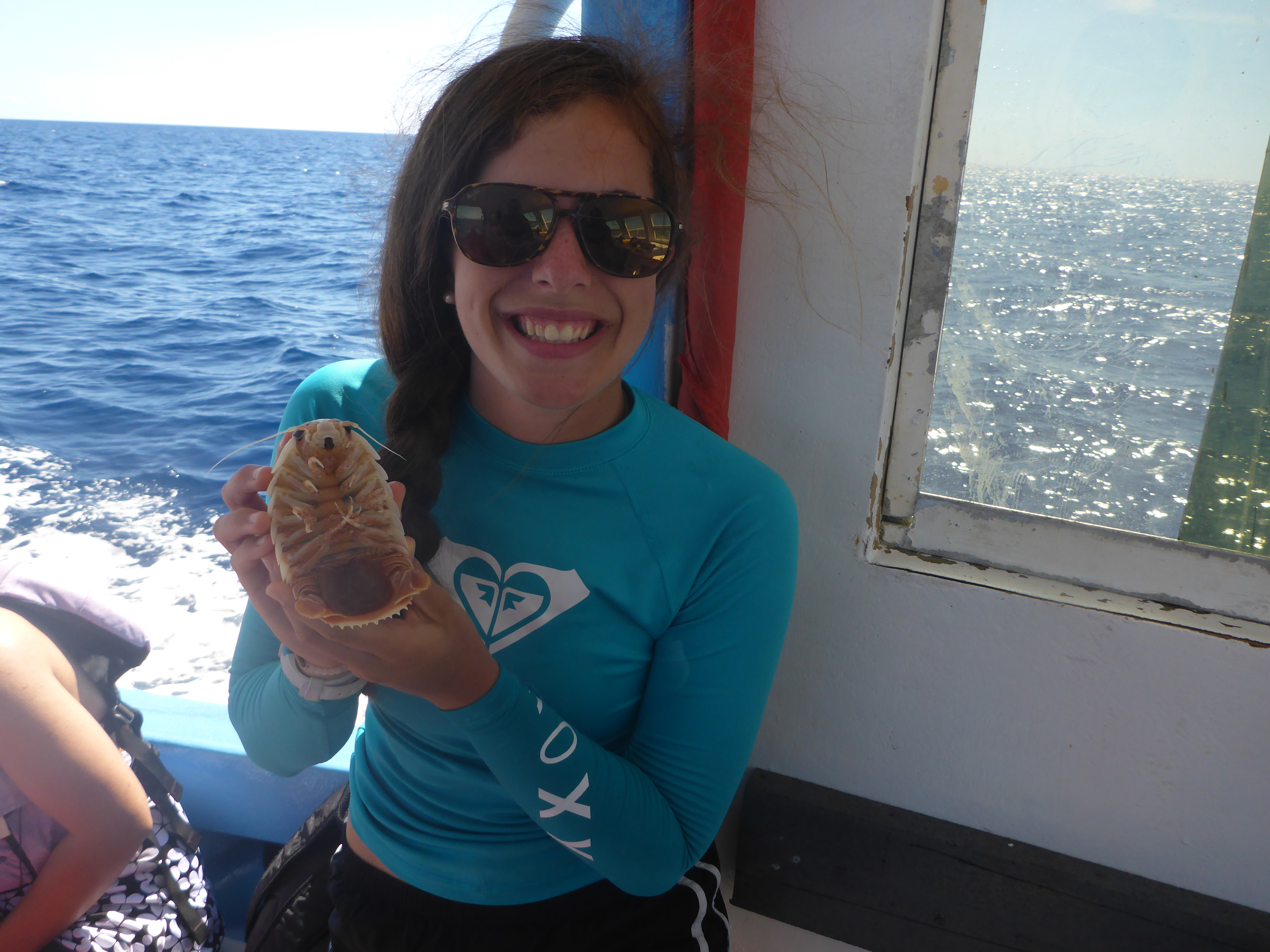
Following the day we had a delicious dinner at school where the marine ecology and food systems groups were able to catch up and share their experiences. All students attended a talk by CEI deepwater researcher, Mackey. She has been doing research at CEI for over a year now and recently found a new species of isopod. Mackey emphasized how little of the deep sea is known to researchers and inspired us students to learn more about it’s ecosystem. She brought with her two preserved isopods and a preserved eel, which is actually a parasite that attacks a shark’s heart. After the talk, it was off to study hours and then back to the dorms to check in and catch up on some much needed sleep to fuel us for the busy day that followed!

Shout it Out!

As orientation week came to a close, we enjoyed a much needed day off to celebrate our accomplishments of the week! It was a quiet day on campus as most of us were out exploring the breath taking island of Eleuthera. Days off at the Island School hold endless adventures. One of the highlights was an all student soccer game. What started out as a friendly, casual game of soccer quickly turned into a heated match of shirts verses skins, with skins taking home the gold. In addition to soccer, many students chose to explore the vast hidden caves found over by High Rock. Those who were mentally preparing for the next few weeks to come chose to relax and get some sun on sunset beach.

DSC_0331

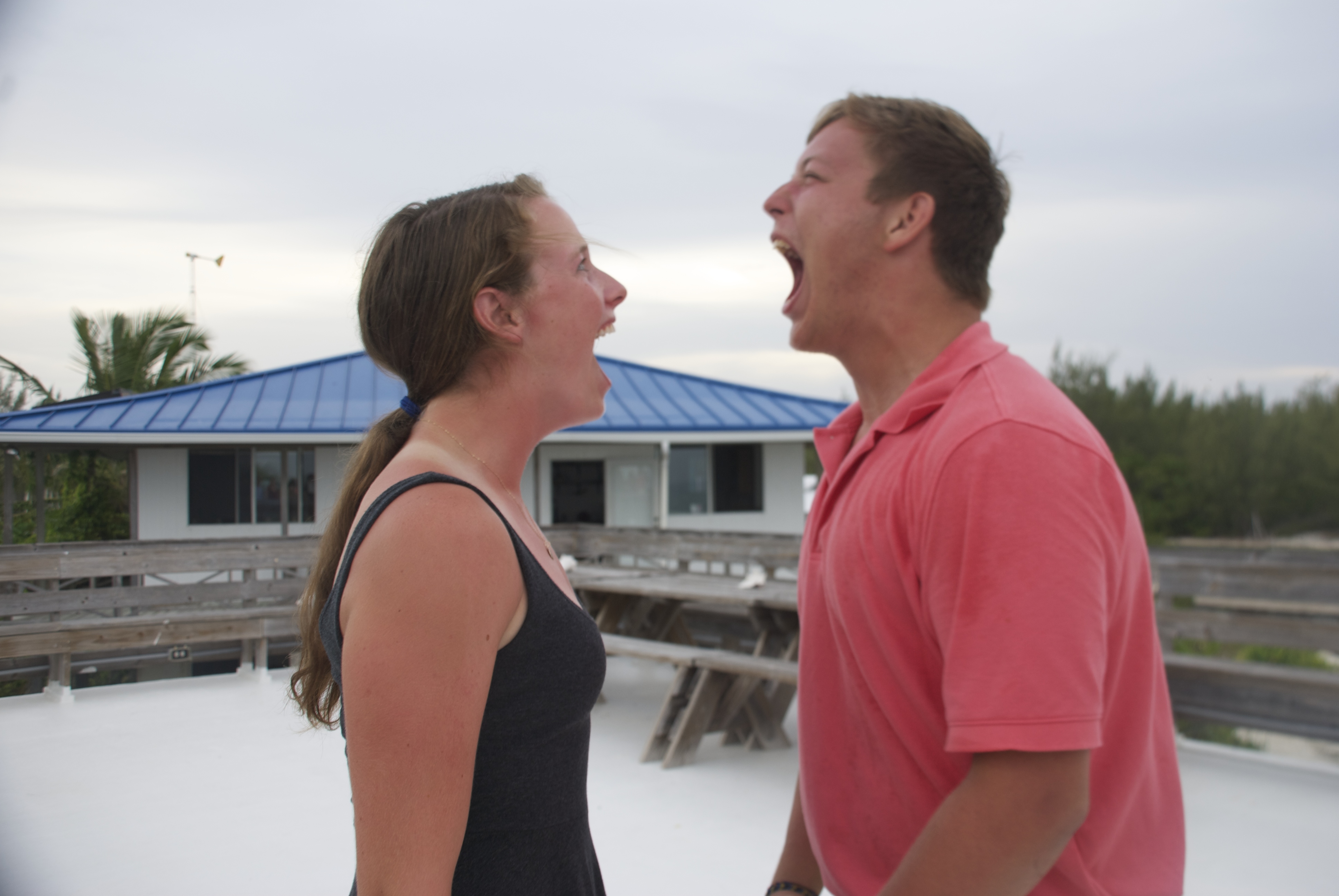
The sun may have set, but the day only got brighter from there as the community came back together for dinner where everyone shared their adventurous tales of the day. To conclude the night, we all got together to play a rousing game of tiger uppercut where the students challenge each other to a scream off. The lone survivor was the tiger uppercut master, Margo. Needless to say, nothing brings a community of tired students together like shouting in each other’s faces for as long as your lungs can hold out. Realizing how fast week one has past makes us want to make good use of our limited time here. -Meredith and Owen

Students end the day with a friendly shouting competition.

Orientation Comes to an Exciting Close

July 7, 2014: Day 8

GOPR1982
The students enjoy their first fully certified dive!

Donning running shoes, water bottles, and optimistic outlooks, students and faculty rose at 6:30 am for our first 4-mile run to High Rock and back. We ran the two miles down Cape Eleuthera Blvd. to the cliff, taking a few minutes of silence to reflect while listening to the waves crash against the rocks before jumping into the ocean below, and heading back to campus.

With a new sense of accomplishment, students split up into their K groups to continue with the activities planned for the last day of orientation week. K1 avoided a few thunderstorms while learning kayaking skills and braving the occasional rain showers. K2 packed into a van for their South Eleuthera Road Trip, visiting historical sites and stocking up on goodies from the marketplace. K3 and K4 jumped into their SCUBA gear to complete their final day of diving, and joined the rest of campus by becoming officially SCUBA certified! Now that orientation weeks has ended, students will split up into their three academic groups to rotate through classes for the remainder of the semester. With the end of orientation, students have started to fall into the routine of IS, and are looking forward to the next few weeks.

As a celebration of completing the first week at IS, the students gathered in the presentation room at 9:30 pm for the first ‘late night’. We played a human bingo bonding game where students had to complete a table of facts about other students, and ended the night with a dance party. Although only one week has past, the summer term students have already begun to understand the importance of the connections between each other, and the new home that we will never forget.


Your Day 8 Caciques,

Hanna and Evan

Summer Term 2014: No Ceilings

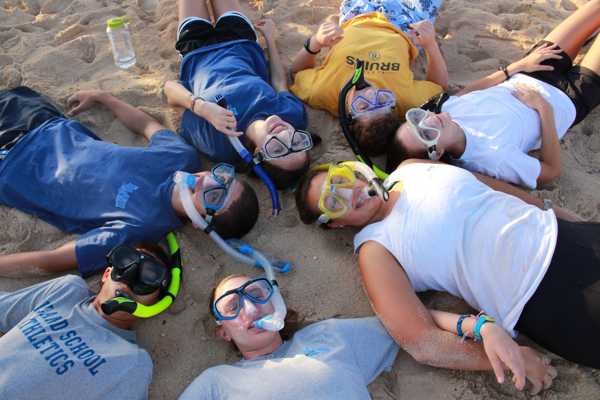
From Tanzania to San Francisco, our community is a diverse one, but it can agree on one thing: we are all excited for the month to come! Although a few are still trickling in, we have all arrived safely on the beautiful island of Eleuthera, thanks to the dedicated and inspirational staff’s leadership. First day jitters jumped away as everyone rose bright and early to come together as a group, sing the Bahamian National Anthem, and hop in the water for an early morning snorkel.

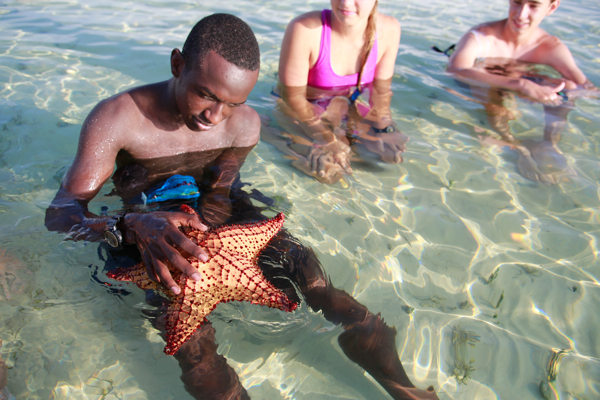
As we went on this bonding snorkeling experience, friendships were not only made with our fellow students but also with the sea creatures we encountered. We got the chance to hold a giant starfish, West Indian sea eggs, brittle sea stars, and even donkey dung (sea cucumber!) and sea slugs. The donkey dung shared some of its fluids, so we had some good laughs. An hour came and went, the staff led us back to land, and the rest of the day flew by. Students toured campus for the first time and found their bearings on the boathouse and in the classroom. After hearing the academic and social expectations last night, we have high hopes for the rest of the month. The community is growing fast, and there is no telling how strong we will all become. #NOCEILINGS

Your Day One Caciques (student leaders for the day),

Eliot, Malik, and Clay

A Summer Term 2014 advisory prepares for the wreck snorkel.
A student examines a massive sea star.


Dr. Seuss Said It Best…

…when he said…

You have brains in your head. You have feet in your shoes you can steer yourself any direction you choose Dr Seuss

The day has arrived.

It is June 12th which always seemed to be more of a reference to our departure that seemed way off in the distance, is now upon us.

As we sit here in our common room in Boys Dorm, with the clock pushing on 3 in the morning, there lies a thin line between reminiscing over memories and bursting into tears. Morning circle is in two hours, followed by loading up the bus and passing through South Eleuthera one last time. We decided as a dorm to stay awake the entire night; yet just like our 12 year old selves found out at sleepovers, it becomes much more difficult than previously expected.

Whether our eyes are red from sleep deprivation or tears—or maybe a combination of both—our time together is slowly diminishing. It’s sinking in that our semester is coming to a close; the final chapter of our Island School book is ending.

At the same time, it seemed like just yesterday we were only starting that book, with the first pages filled with more questions than anything else. 100 days ago we arrived here, not knowing what we were really getting ourselves into.

This journey was not an easy one.

Each day brought challenges that seemed harder to overcome than the day before. Each workout a little bit longer, each class becoming more in-depth and thought provoking.

All 48 of us have changed, and the best part of this whole experience was doing it together.

We lived, ate, learned, and slept near each other 24/7. At first thought this seems like a recipe for disaster, for that much time together would make us all sick of each other. Instead, the friendships that my peers and I have formed are ones that I wouldn’t trade for the world.

I made a blog post on April 10th named “Ferris Bueller said it best” in which I described where we stood in our semester, and how we would make the most out of the last 64 days that we had. Those 64 days went by faster than I could ever imagine, and I know my peers feel the same way.

This Island School experience has completely changed our way of living, and now we have to jump back into our previous worlds.

Wherever that may be, it will be without all the members of this community that made our time so special. I know that we will all remember this place forever, and not just through all the Instagram and Facebook posts from the 26 girls from our semester with the hashtag #takemeback.

The Island School has changed the way I view the world around me, as well as how to be a great friend, researcher, student, mentor, and member of a community.

Although the Island School won’t be on my mind all the time moving forward, I know I’ll have a place to thank for making me a better person.

Congrats to the other 47 students who have also experienced this once in a lifetime journey. I know that we will all go on to have amazing futures, as Island School was only the beginning. It is true that 100 days have past, but there are many many more to come.

As Dr. Seuss so famously wrote, “You have brains in your head. You have feet in your shoes. You can steer yourself any direction you choose. You’re on your own. And you know what you know. And YOU are the one who’ll decide where to go…”

by Zach McCloskey

By far the best experience of my life

On Wednesday my research group, Deepwater, along with the lemon shark research group set out to have our fun field day.

Lit_Writing_Blog-35

It was our last field day of the entire semester and we were all excited to do something exciting. We all arrive at the boathouse, ready to go when our research advisors tell us we are doing something completely horrible: hand hauling. Now, here is some explanation of what that is. In deepwater research, a series of traps were dropped to depths between 500 and 1200 meters. To haul these traps to the surface, we use an electric pot hauler. But when that breaks, there is 1000+ meters of line to hand haul, and that is what our research advisors told us we were doing on what was supposed to be our fun field day.

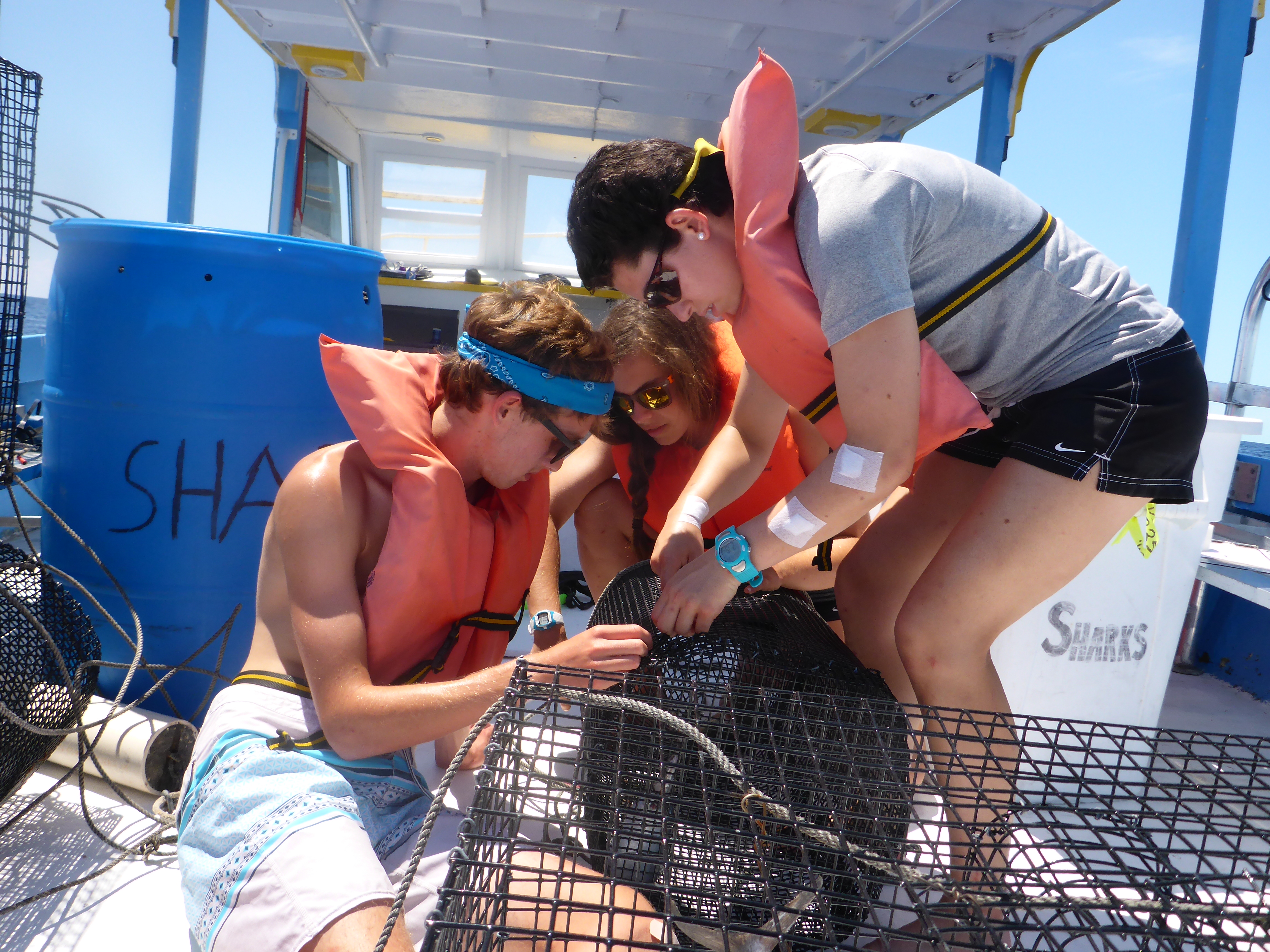
We all hop on the boats, two pangas, and begin driving to the oceanic shelf in the Exuma Sound, which is what we use as a proxy for depth in deepwater research. As we drive out, we see our buoys and begin to hand haul. After about 2/3 of the line is hauled and coiled into a bucket, our advisors gather us together and tell us that they in fact did not drop regular traps, they dropped a deepwater scientific long line!! A long line consists of a series of baited hooks (our long line had 29 hooks), which are meant to catch animals such as sharks. Species like a gulper shark and Cuban Dogfish are common deepwater sharks that researchers here have pulled up.

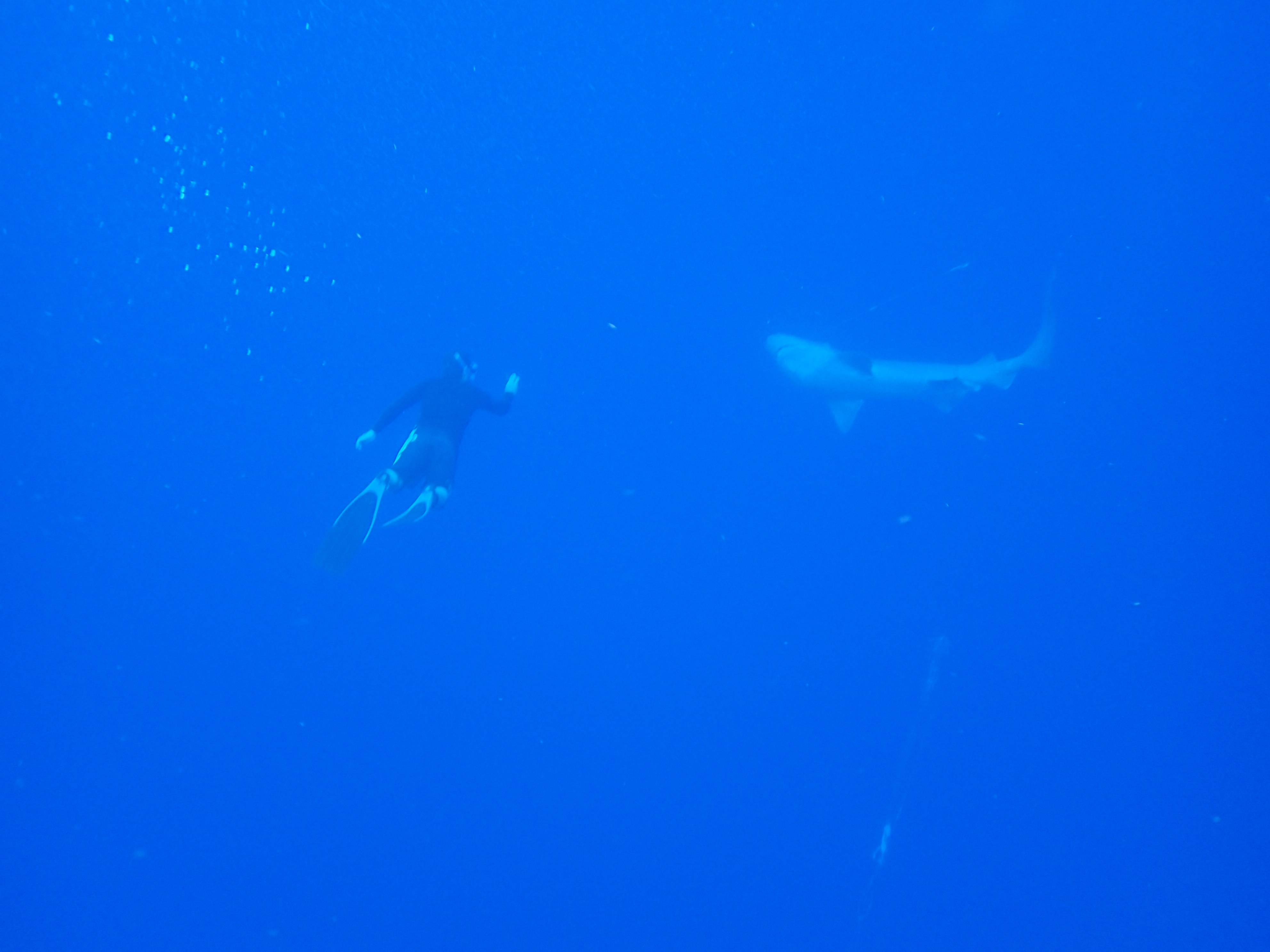
I heard our teachers say that we could go in the water and I immediately leaped in with all the other students. I could see the hooks in the water – nothing so far. I keep staring, hoping that soon I would see something. Jeff, one of our teachers, comes up from a free dive and gives a thumbs up. There is something on the line.

P5280465

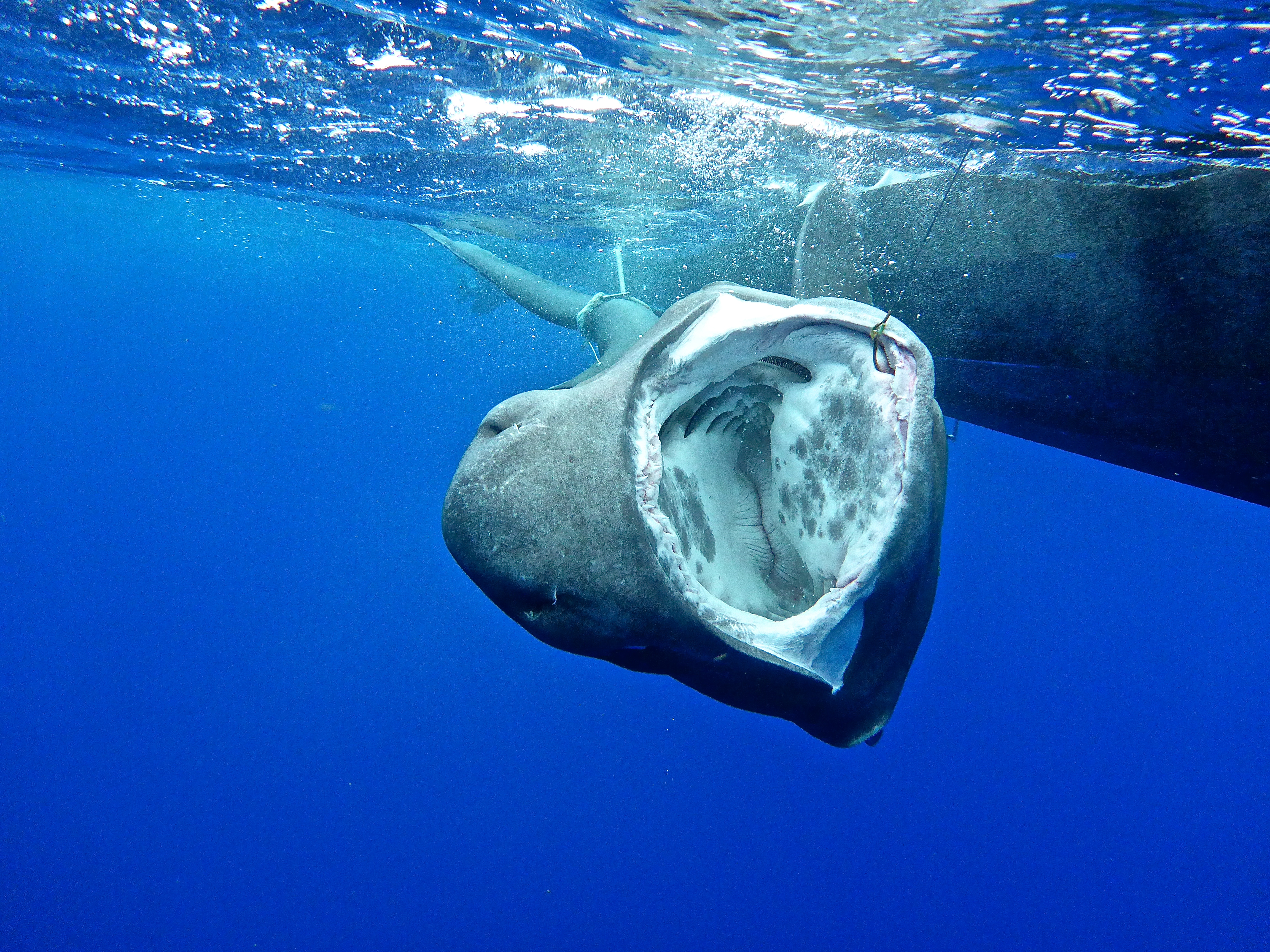
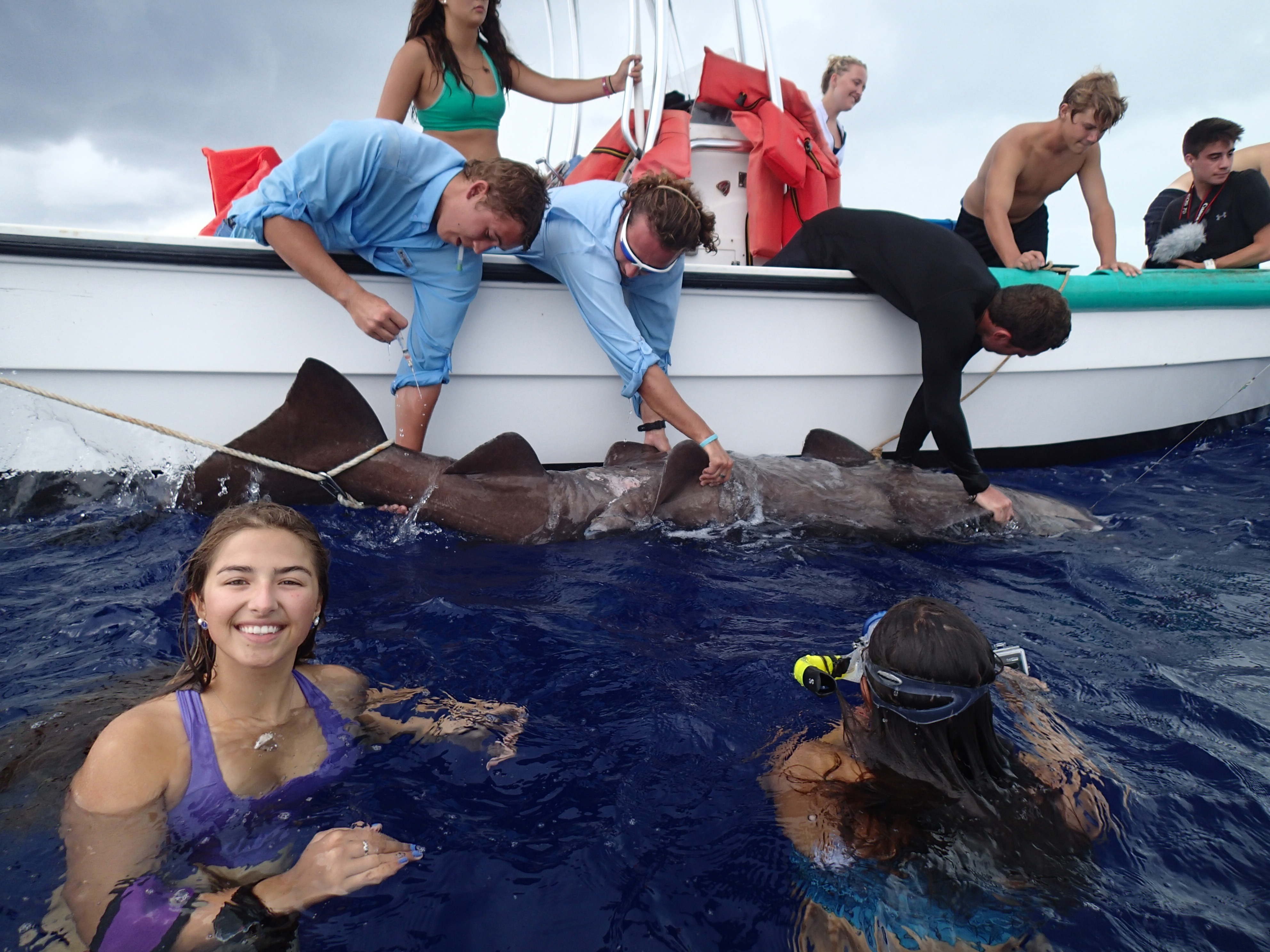
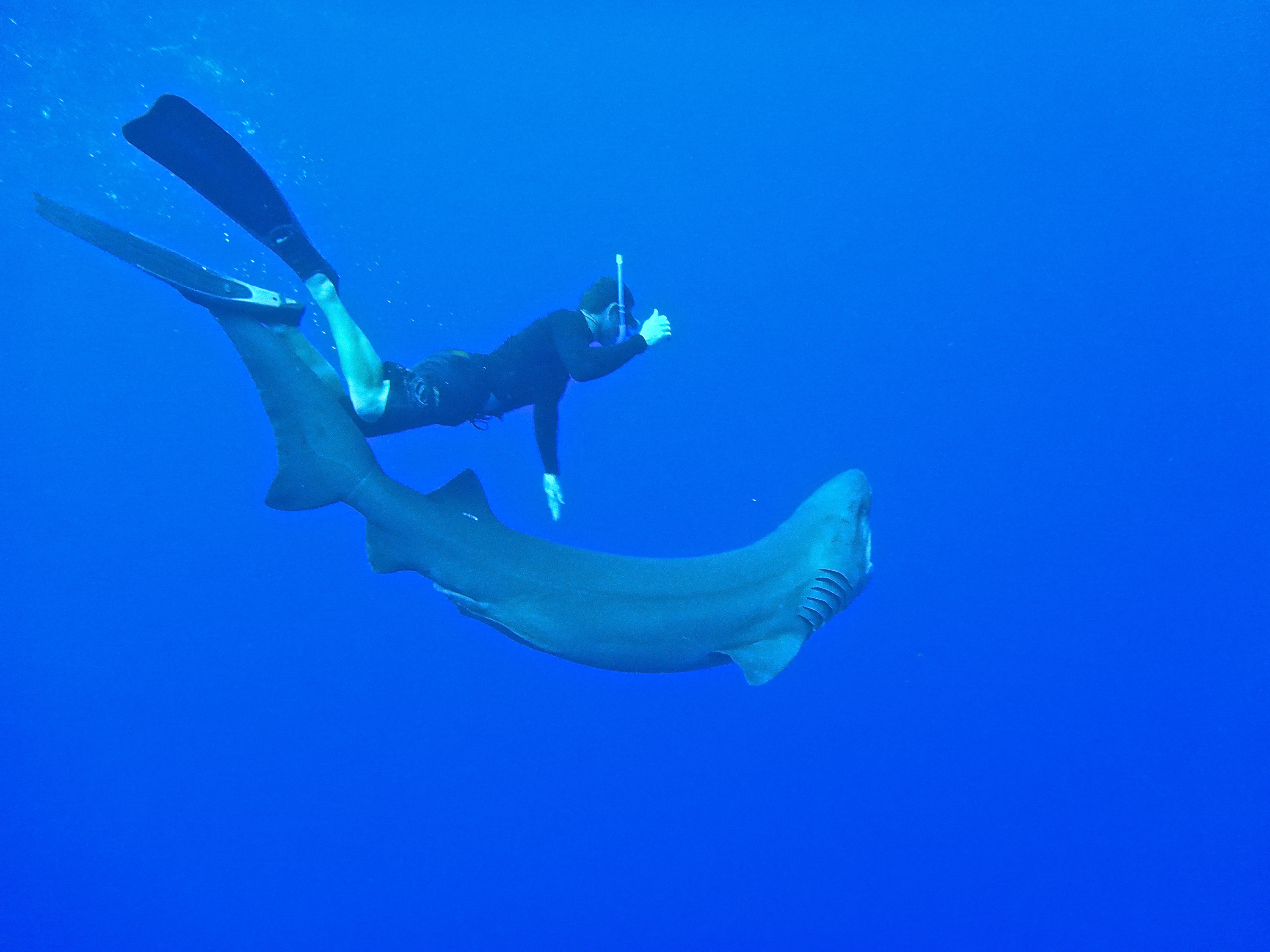
I can slowly see an outline of a shark appearing, getting larger and larger till it reaches the surface and in front of me is a 10+ foot Blunt Nose Six-Gill shark. Right in front of me.

P1000054 BluntnoseSixgillShark-9

All the students take their cameras to capture this moment.

P5280511 2

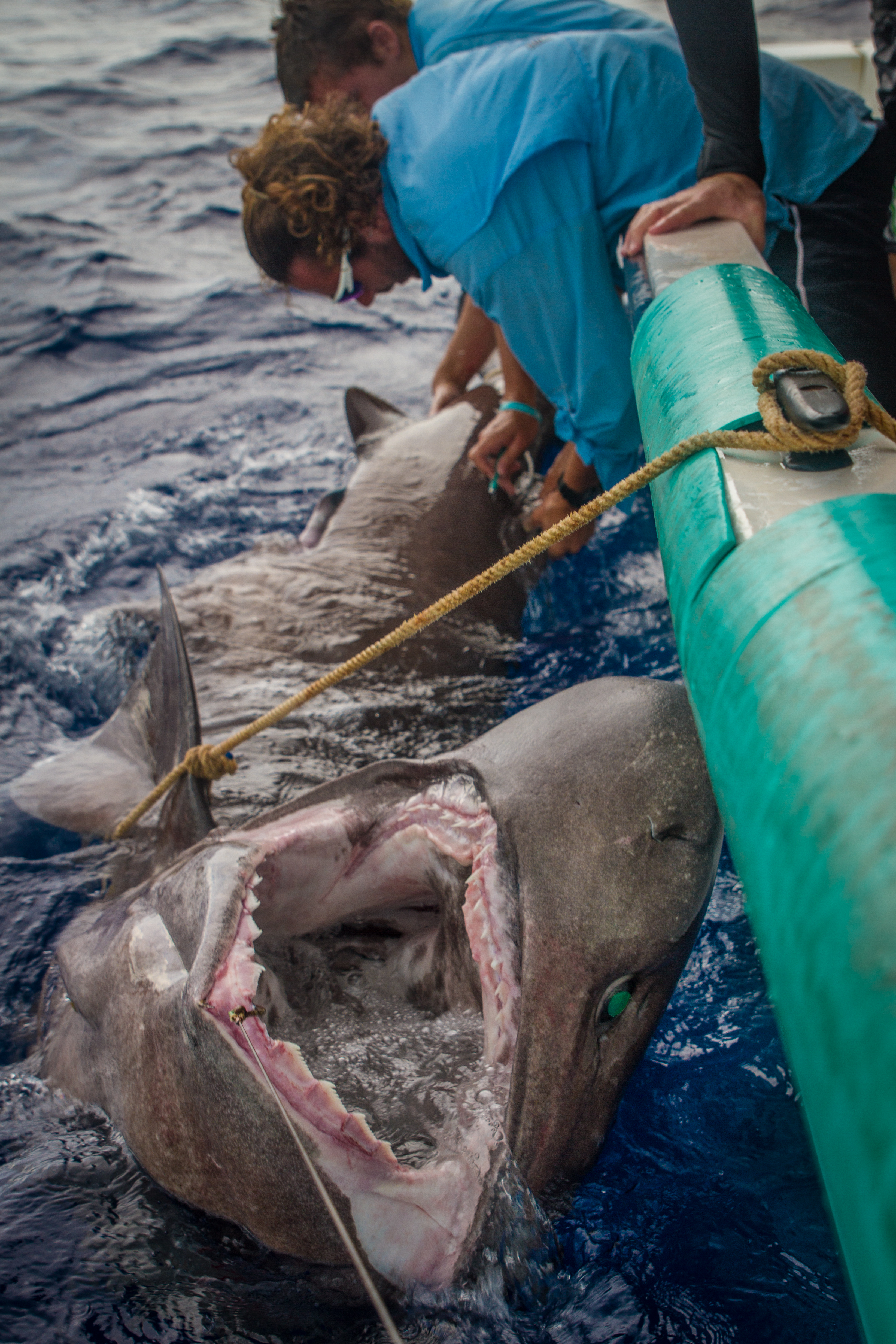
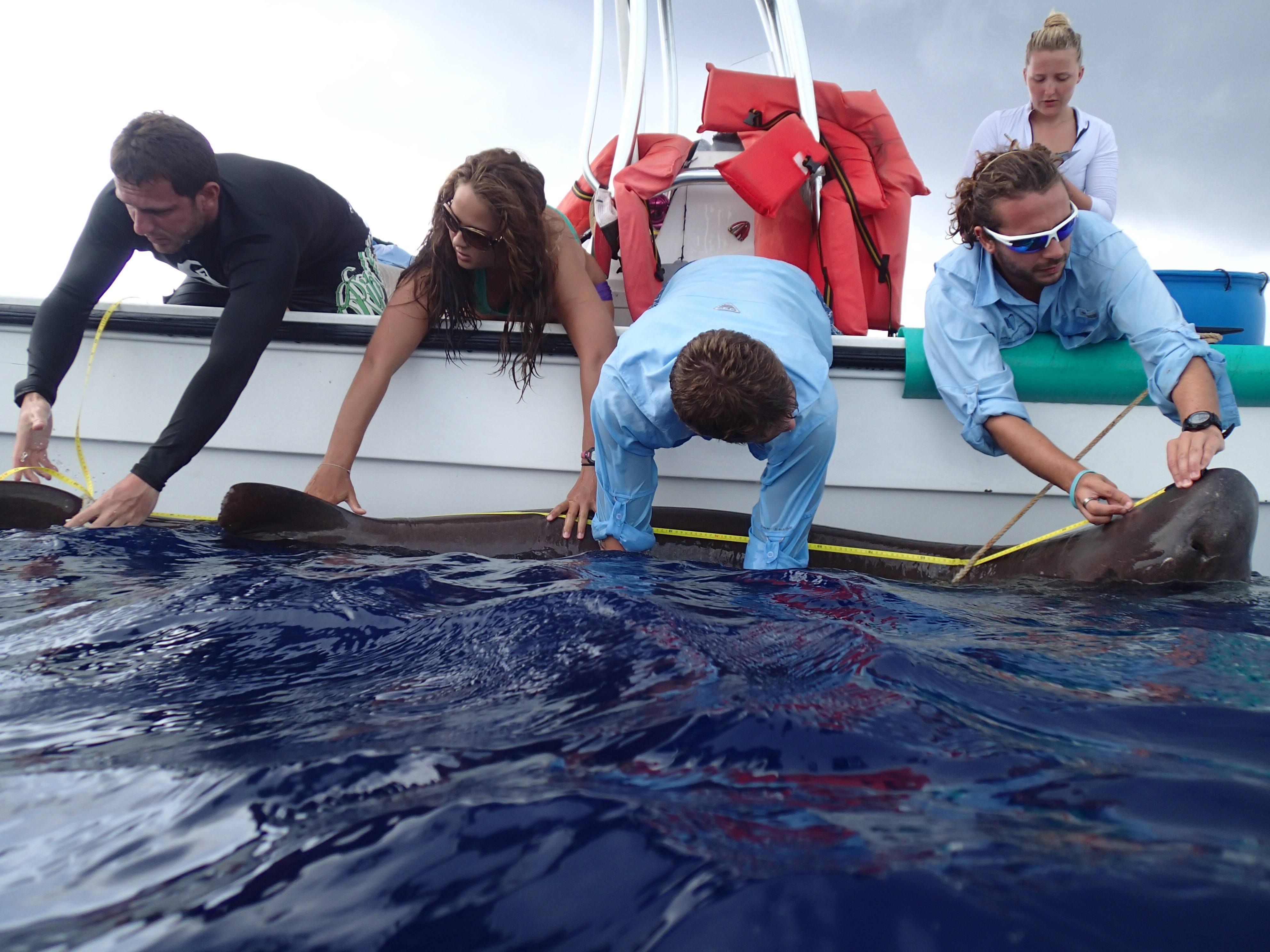
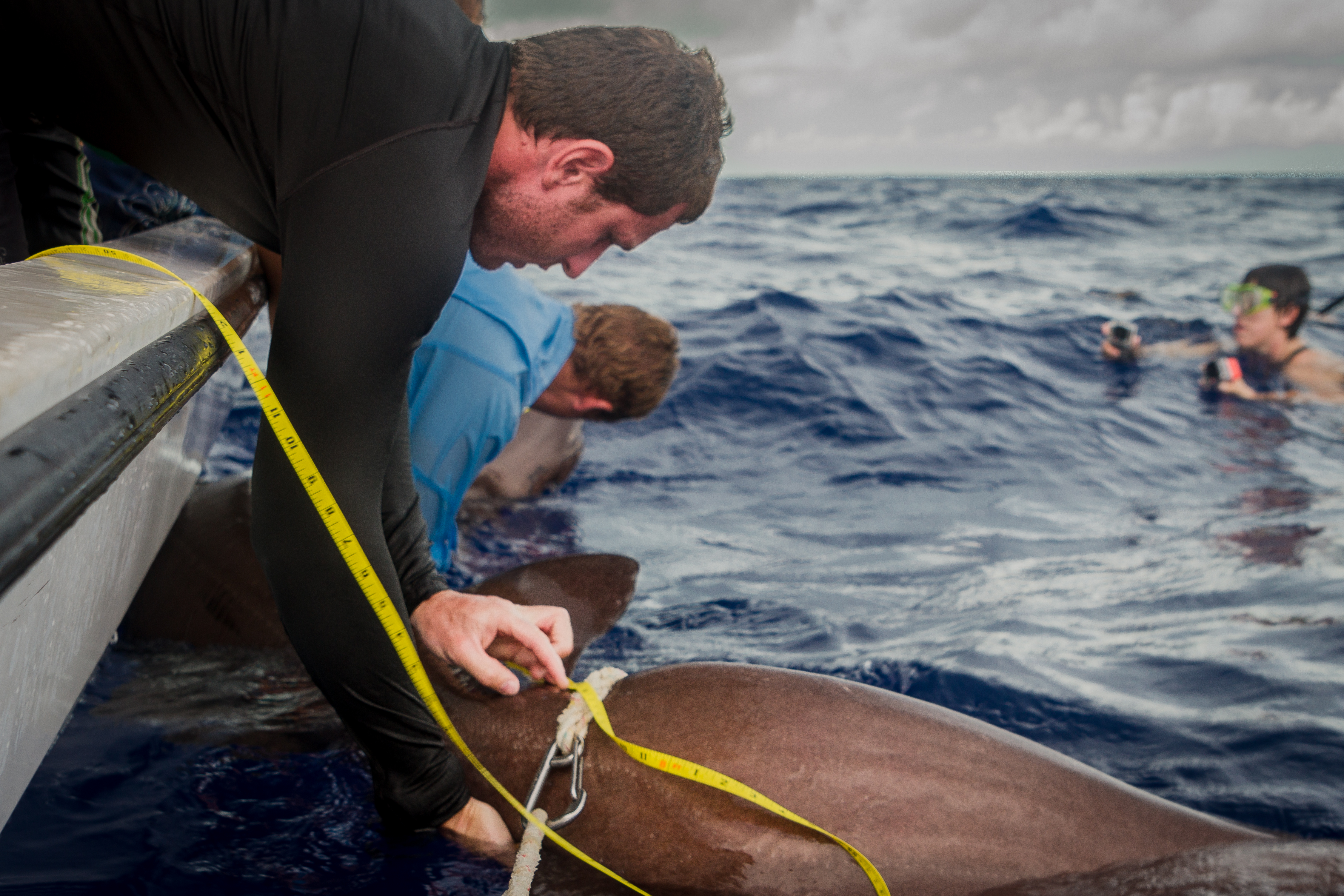
Our teachers tie the shark to the side of the boat so that it lays half in the water, half out. This was not difficult because the shark is completely disoriented, as it is not in its own habitat. The shark we pulled up is from 760meters deep and being at the surface, or even in shallow waters, confuses all the senses of the shark. In addition, the shark had been hooked for several hours and after being pulled out of its habitat, was extremely stressed. It did not have the drive to fight because all its energy would be primarily placed in trying to protect itself in survival. They begin to take measurements and samples from the shark while all the rest of us sit in the water and watch in amazement. It was the first time any of us, the students that is, had seen a shark anything over 4feet.

P5280485 BluntnoseSixgillShark-8

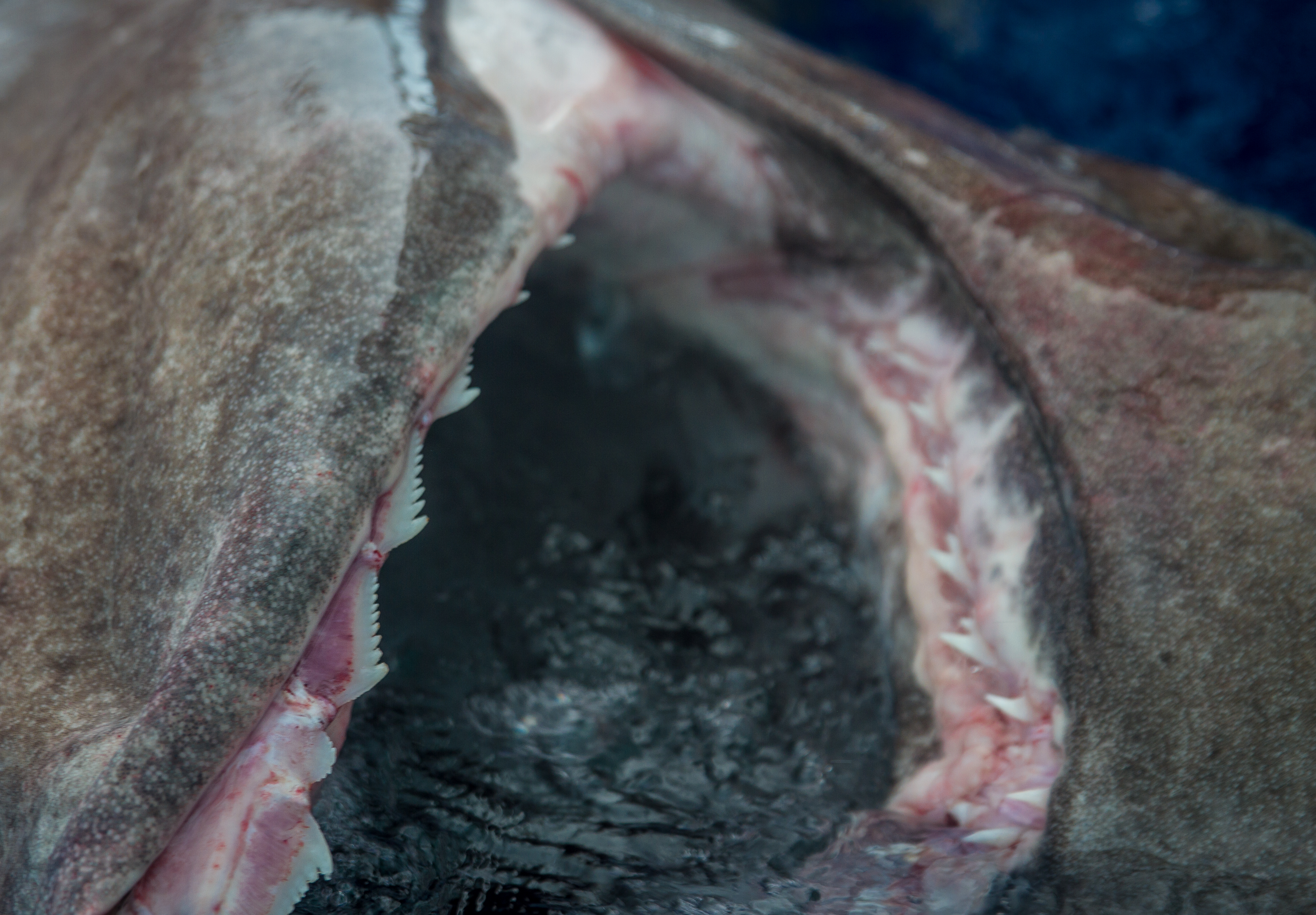
I am still in amazement that we caught a blunt nose six gill shark. I was able to see its gills flap in the water, its mouth open to show off its numerous teeth.

BluntnoseSixgillShark-13

The body swaying side to side as Jeff swam it back down and then let it swim free back down to its home of 760meters deep.

P1000118

I watched it until it disappeared into the navy blue, by which time we all had to hop on the boats and head back to campus.

By far the best experience of my life.

by Julia Forster

Photos by Brendan James

I’ve Always Wanted to be a Scientist

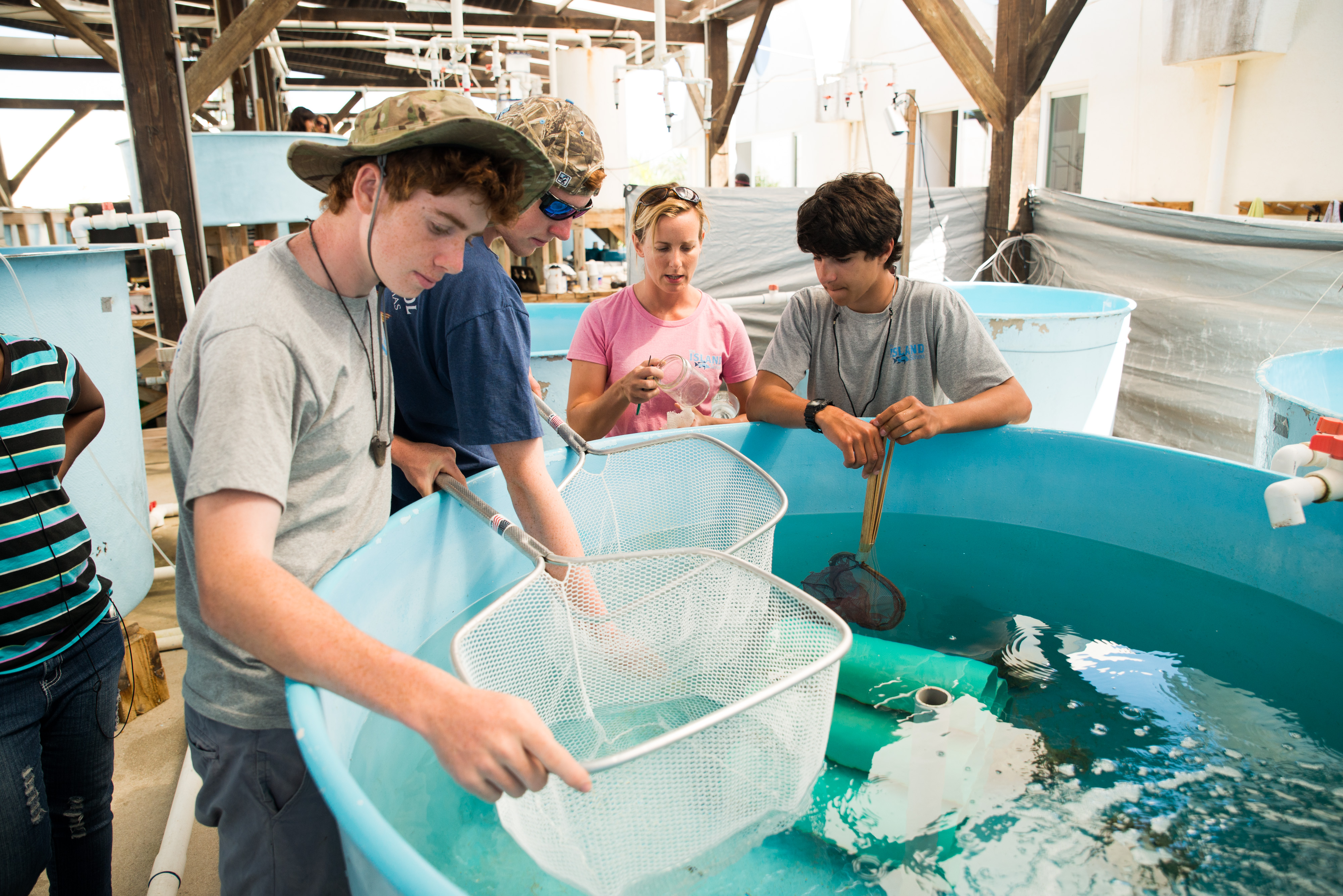
A core part of the Island School curriculum is research class, which is taught by CEI (Cape Eleuthera Institute) researchers.

13723101193_3983d277ff_b

Research class is a crucial part of the semester because of how much responsibility is left to the students throughout the class/study. In research class, our teachers let students own their project, which allows for the students to truly understand and learn everything about their study. Students do everything from write research papers, to give presentations, to collect and analyze data all the data collected throughout our fieldwork. Research has been my favorite part of the semester and I cannot wait to give our presentation to researchers and government officials next week.

This semester, the research classes offered were Stingrays, Turtles, Flats, Conch, Sustainable fisheries, Lemon Sharks, Lionfish, and Deepwater.

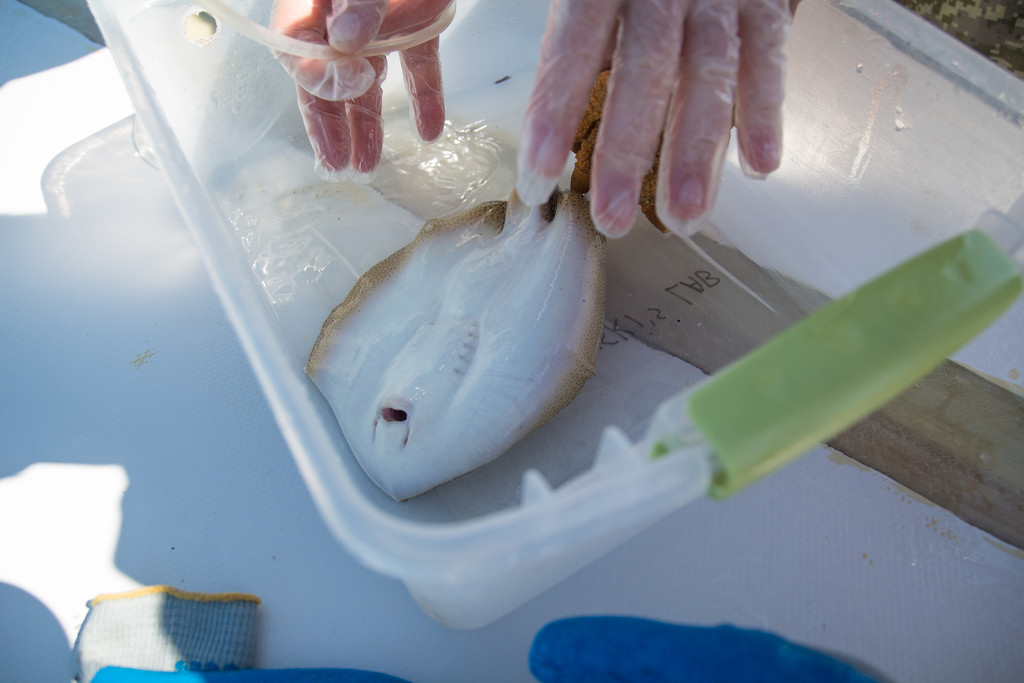
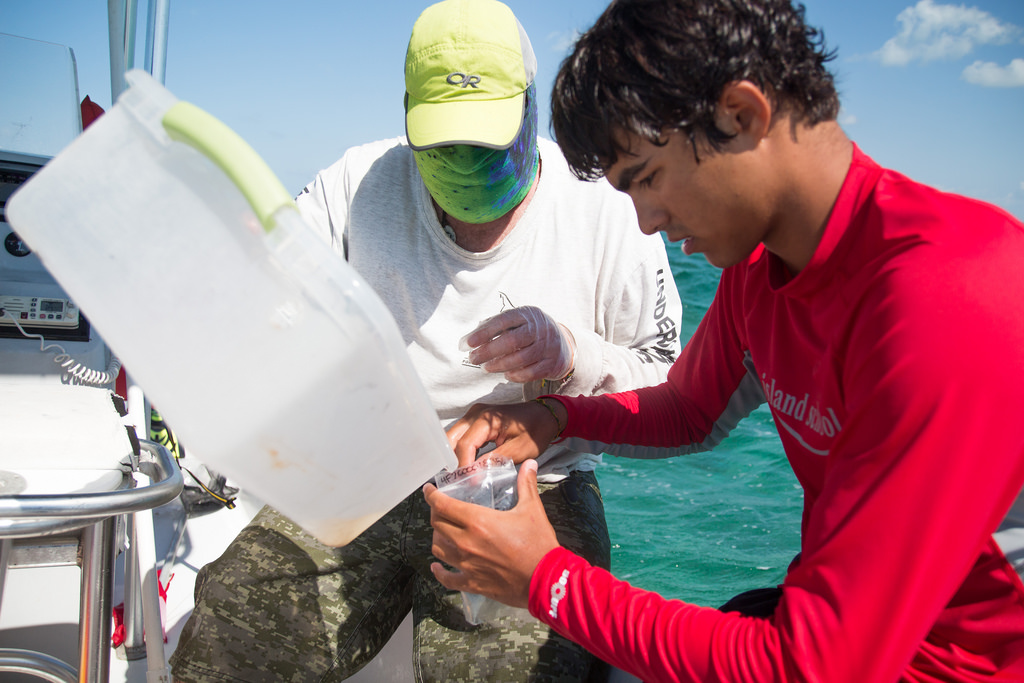
Stingrays research is studying the dietary habits of Yellow Stingrays in correlation to electro-sensory detection [a sense used by stingrays to detect the electric field produced by every organism].

Performing gastric lavage to collect stomach contents
Gathering stomach contents to bring back to the lab for analysis

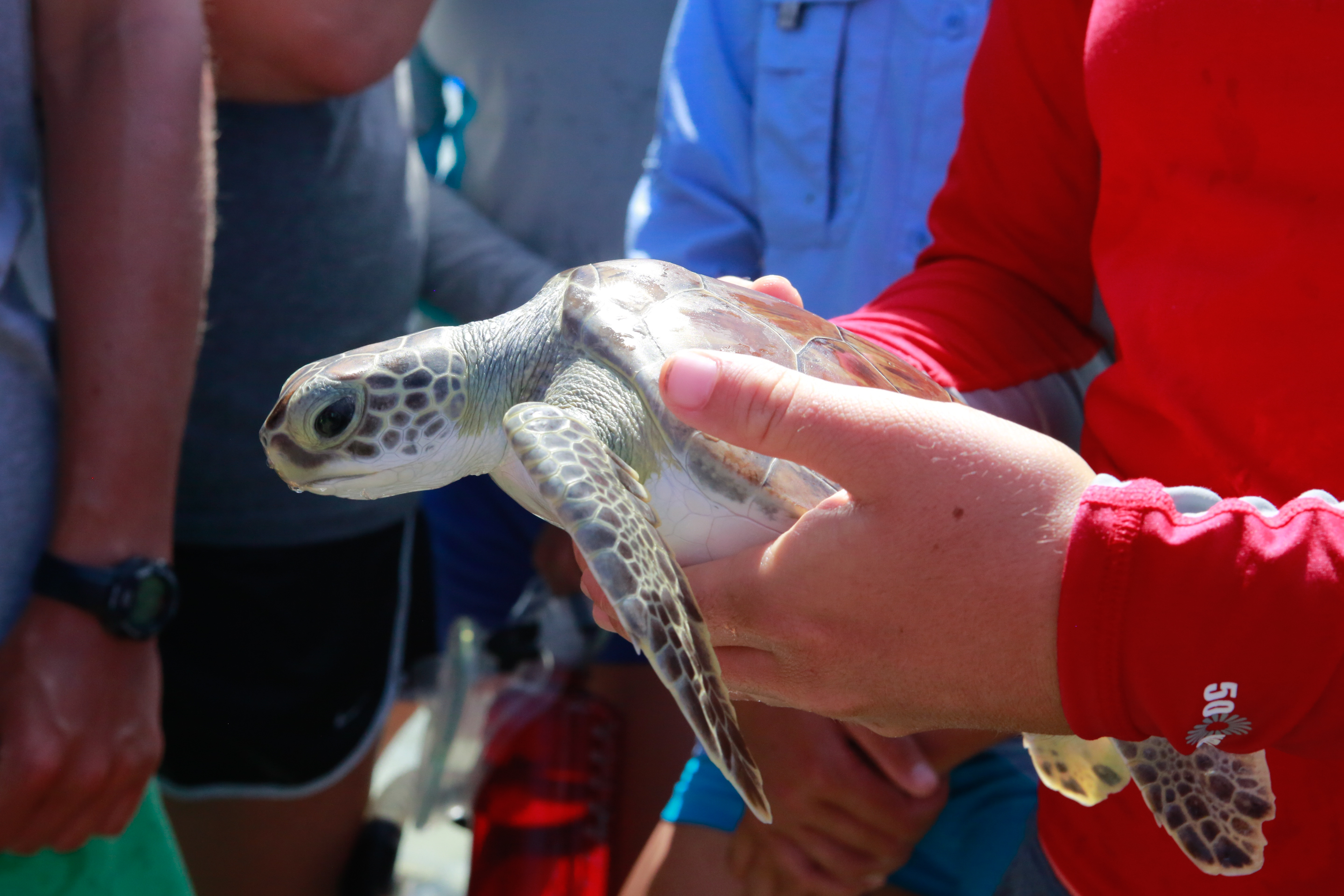
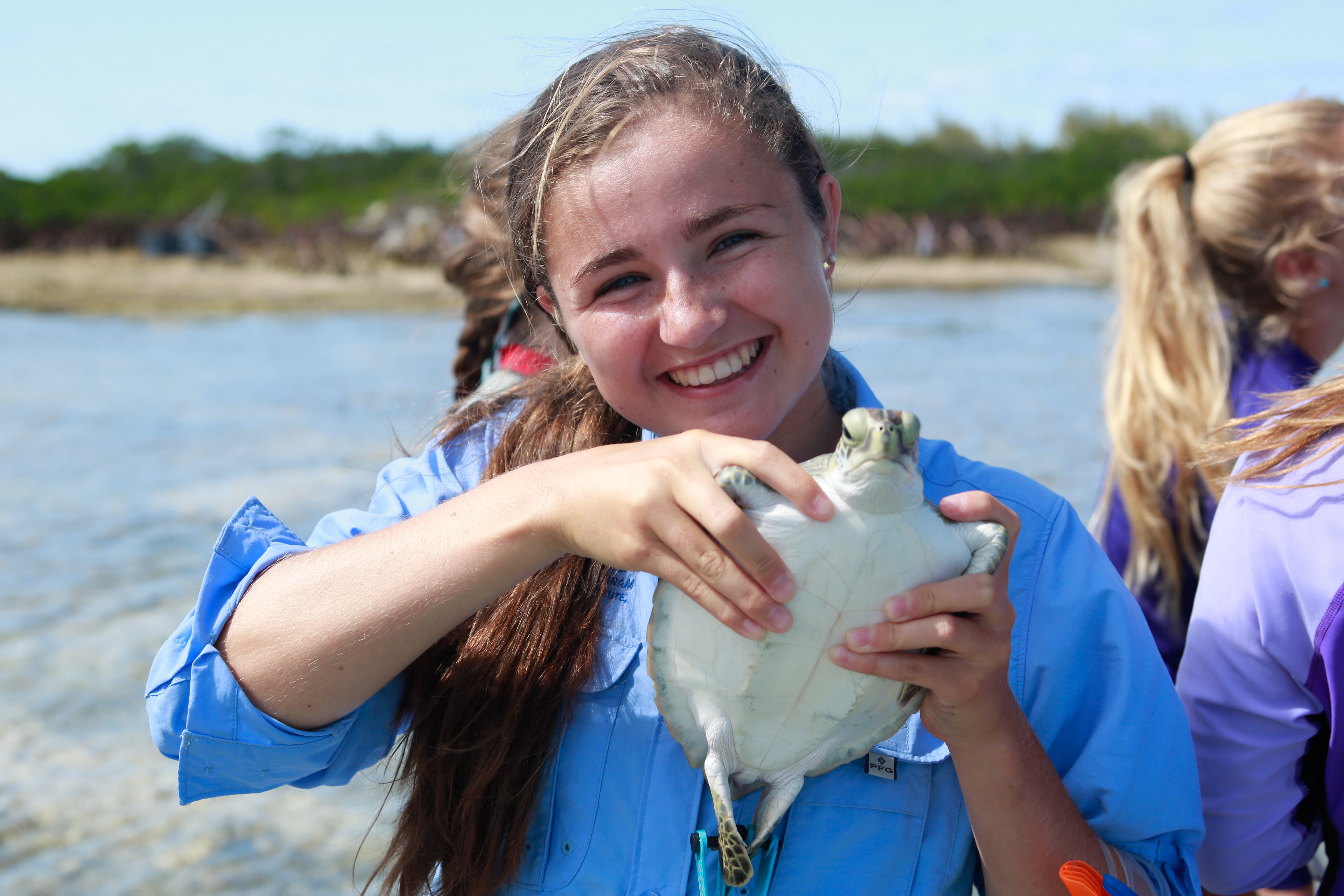
In Turtles research, they are studying how predators and vegetation influence the abundance and distribution of Green Turtles.

_Y1A6457 _Y1A6649

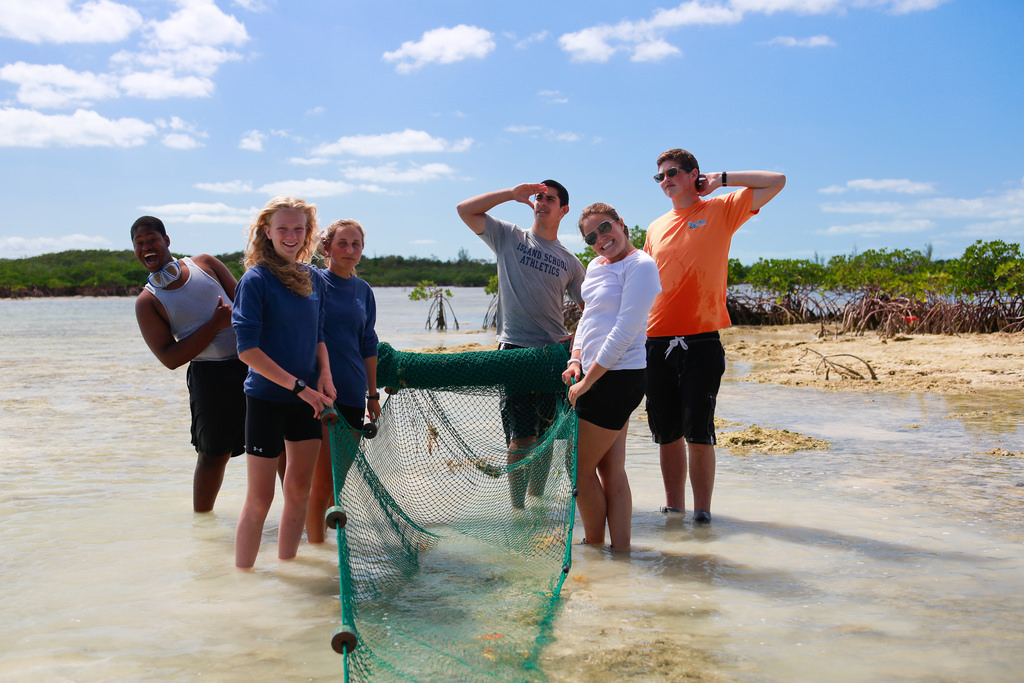
In Flats research, they are assessing anthropogenic impacts on tidal creek systems.

13602121974_f3a11e3dbd_b 13561352404_0715003577_b

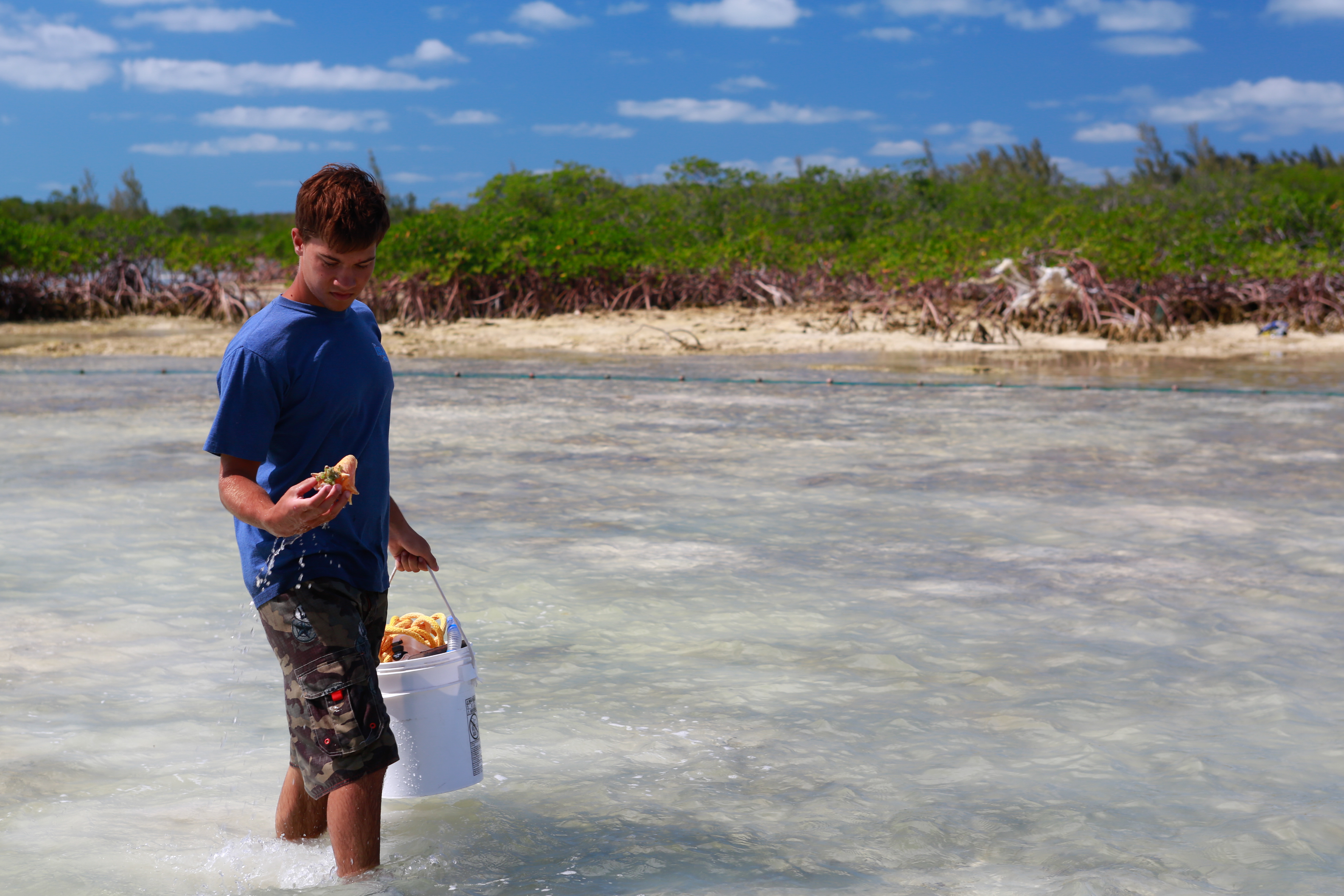
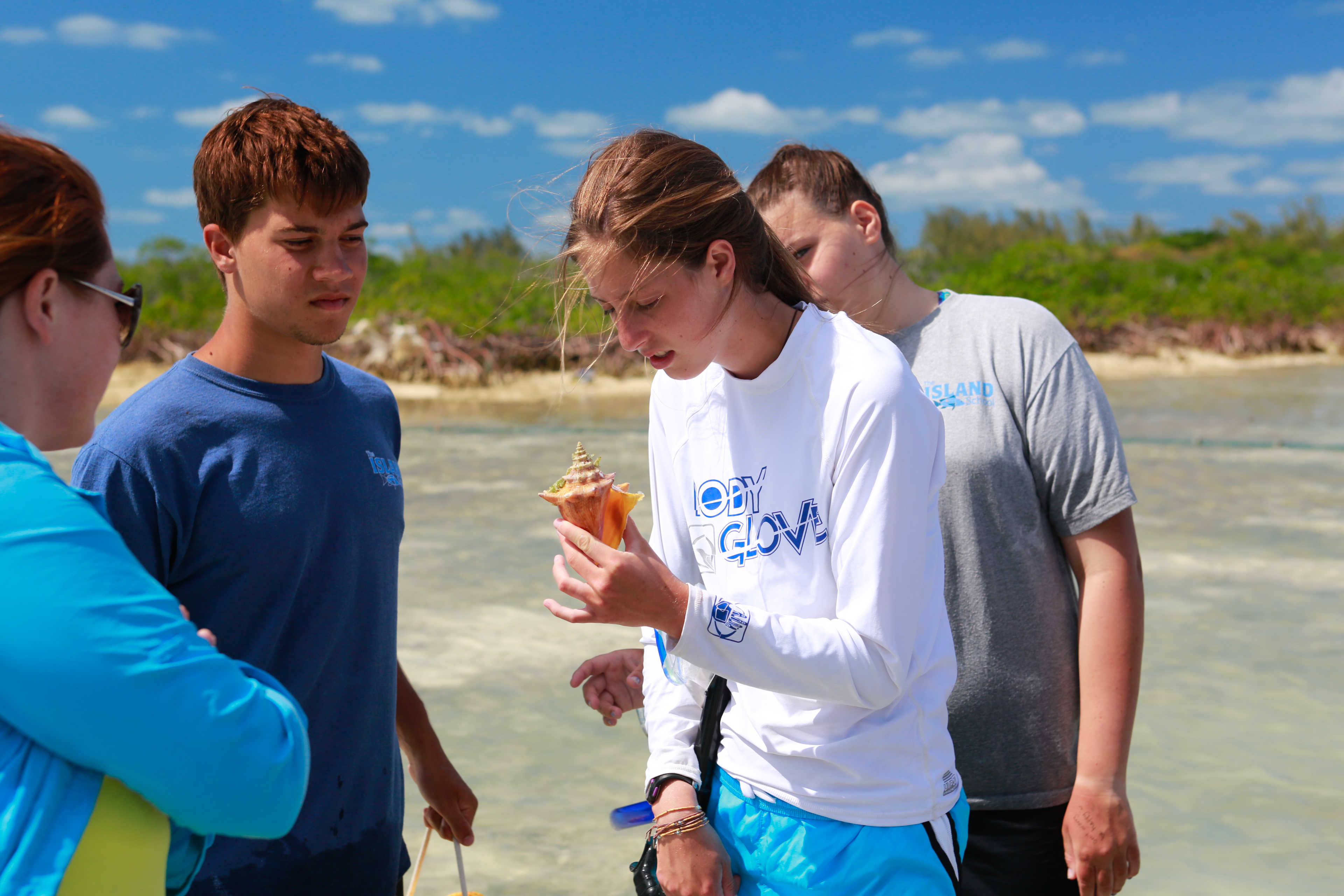
In Conch research, they are studying the population density of Queen Conch in Cape Eleuthera.

conch conch1

Sustainable Fisheries is studying the local opinions of fishermen surrounding marine conservation efforts.

sustyfish sustyfish (2)

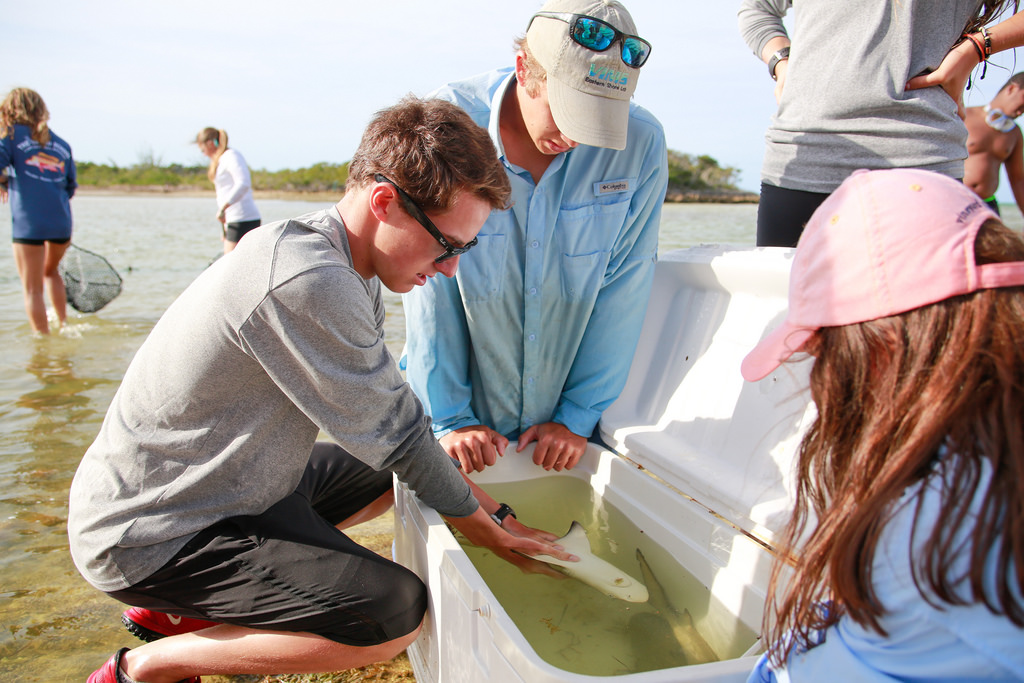
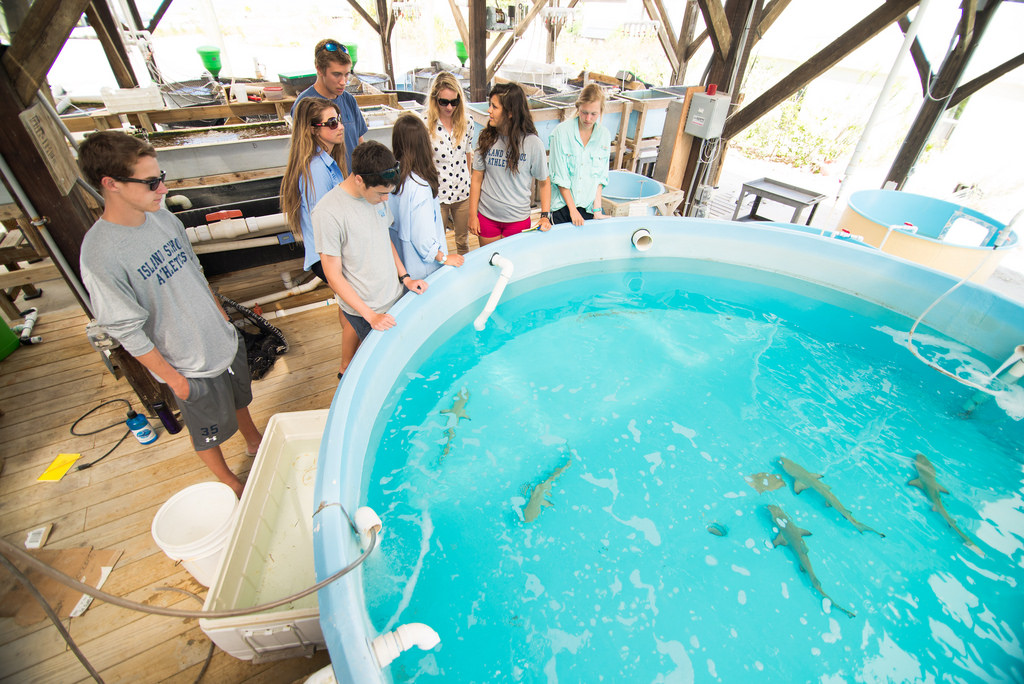
Lemon Shark research is studying how much energy a shark expends when being captured and handled, specifically when caught on a long line.

lionfish (3) lemon

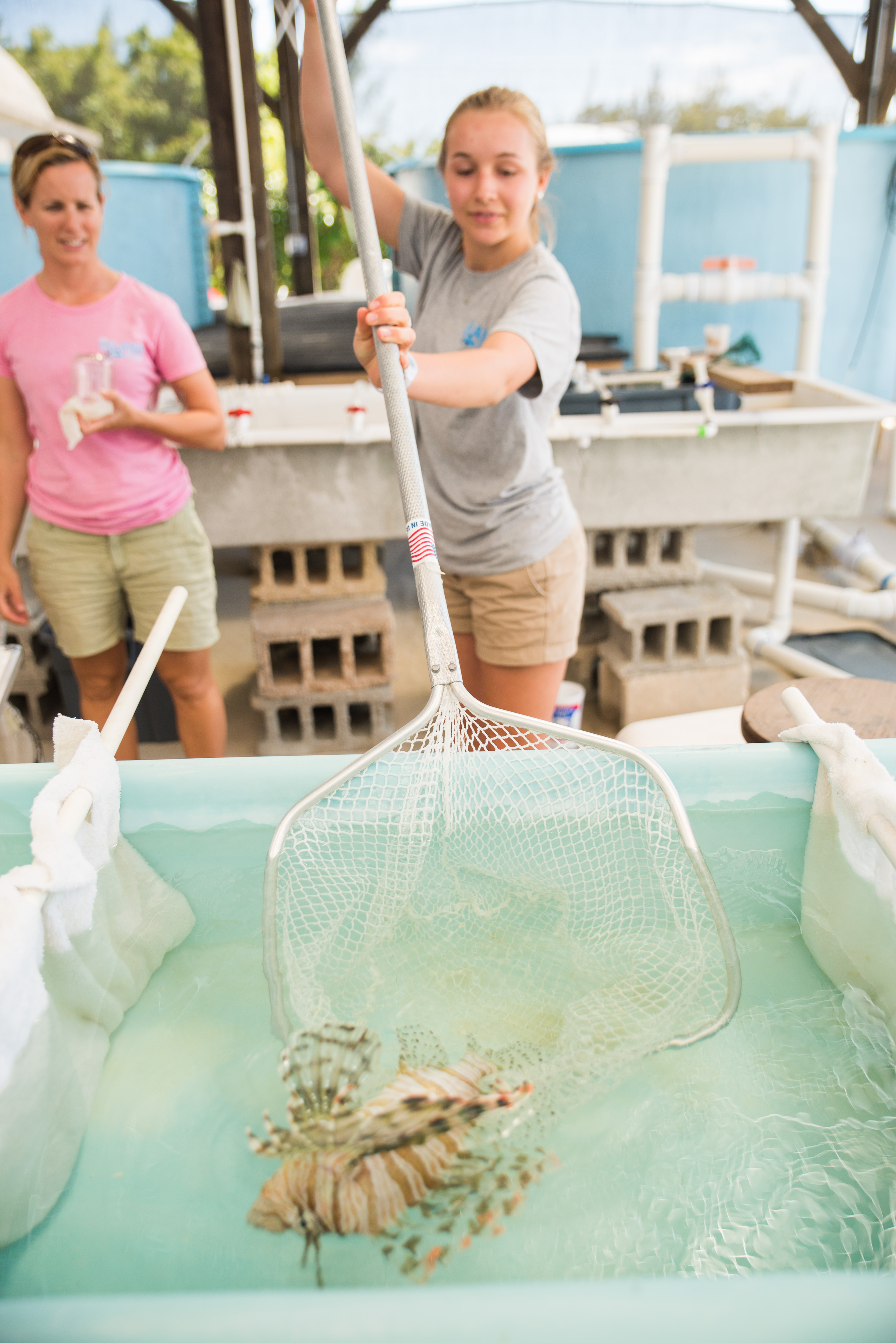
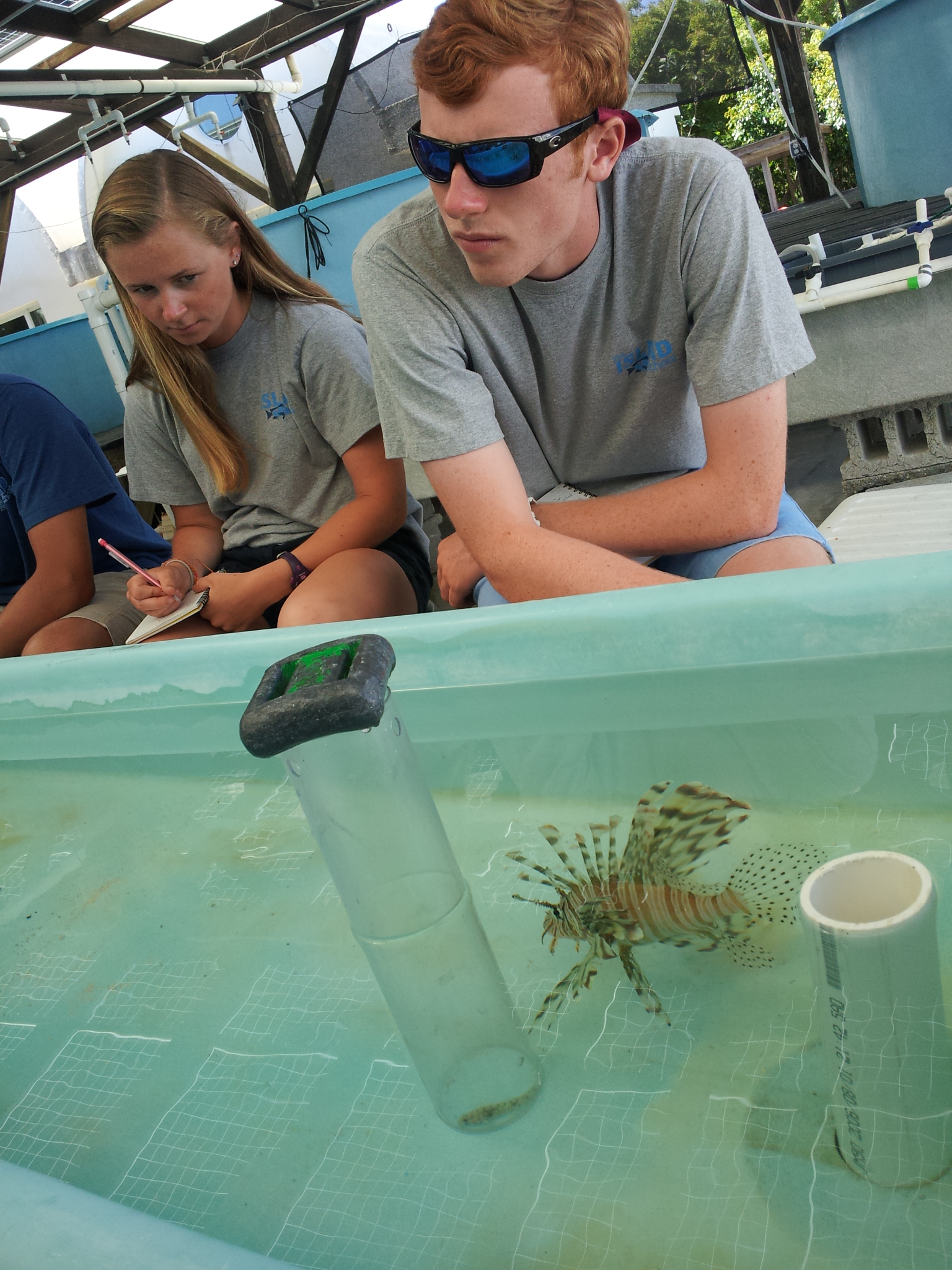
In Lionfish, they are determining the prey preference of lionfish, as it is an invasive species in the Bahamas (and everywhere outside of the Indo-Pacific).

 lionfish (2)

lionfish

And finally in Deepwater research, we are studying to find baseline data of deepwater species in depths of 500-1200meters within the Exuma Sound, as it has never been studied before.

 deep water deepwater

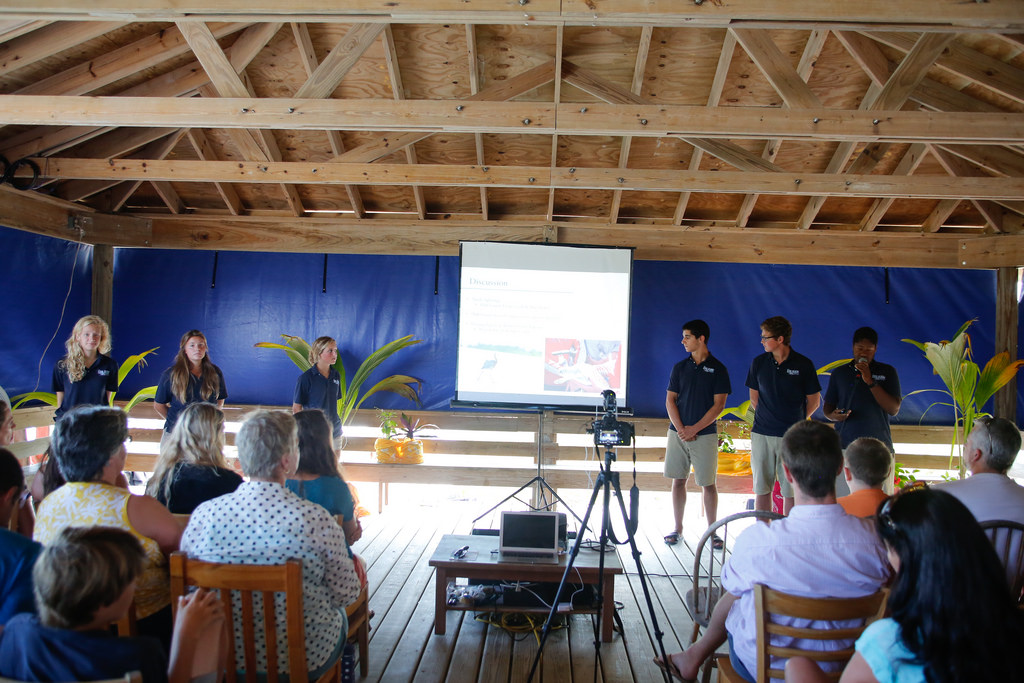
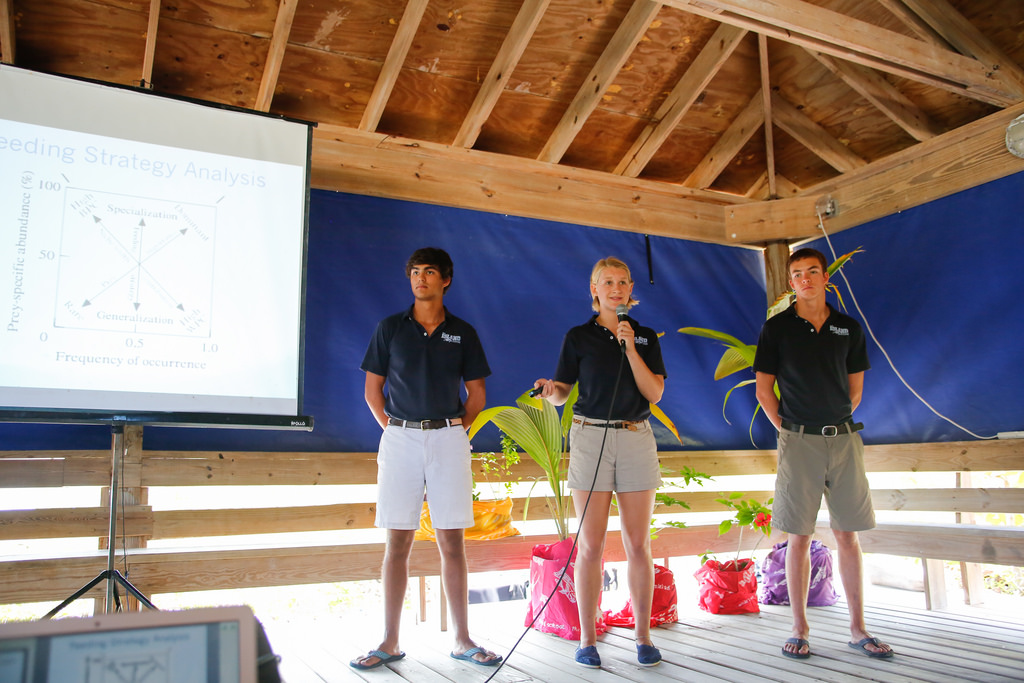
We started off this semester of Research with orientation, which was followed by several weeks of fieldwork. In the midst of our fieldwork weeks, we had a project introduction presentation. This consisted of sharing and introducing our study with the rest of the Island School community. Since then we have analyzed field data, put together presentations that we presented to our parents, and next week we will be presenting to researchers and government officials from around the world.

14272260371_aebce65f63_b

14088959160_1dcc39ce13_b

by Julia, Boden and Fiona